Coffee, traced from the plot to the green lot.
Record cherry and parchment by plot, hull and grade without losing the inputs, and hand each green lot on with its certificates and the EUDR evidence your buyer asks for.
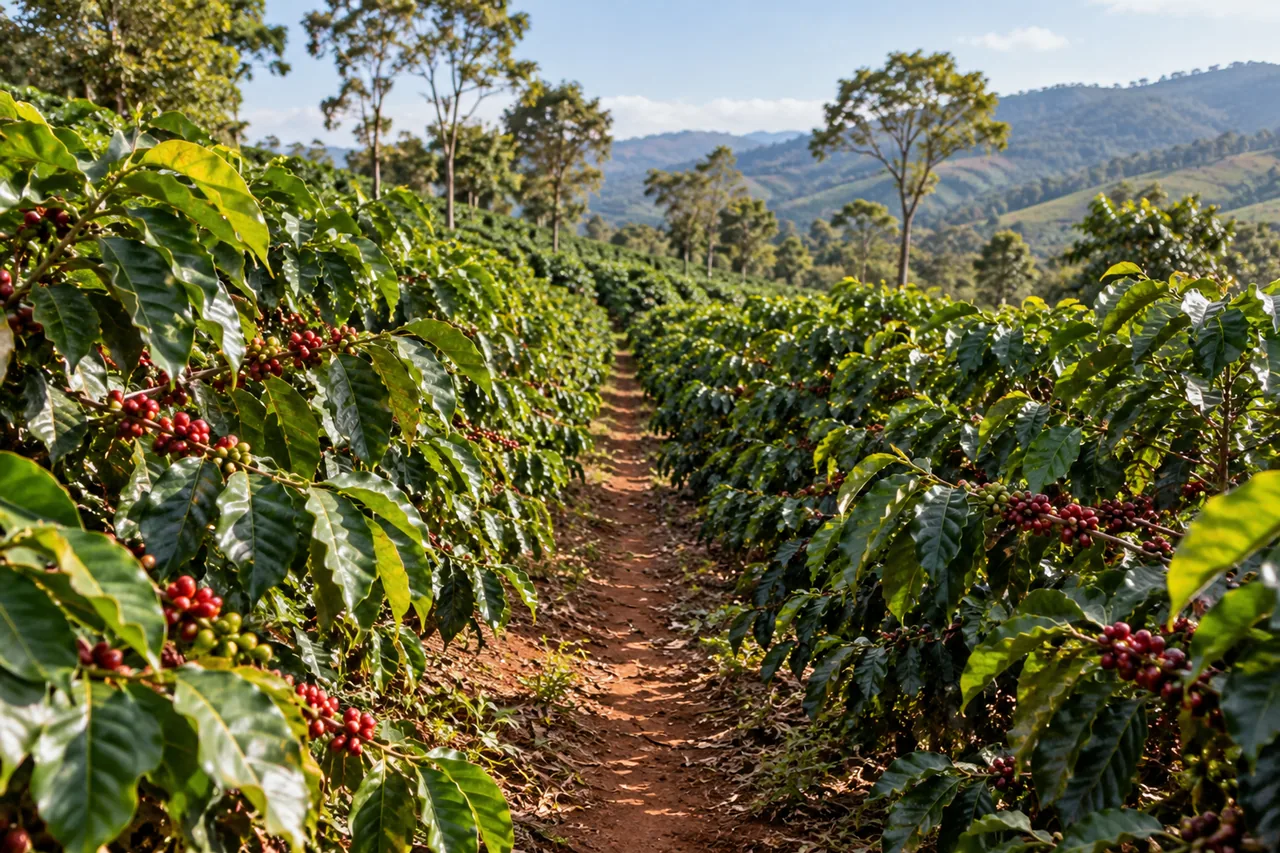
The challenge
Coffee changes hands and form many times before it is roasted.
Many hands, many records
Smallholders, cooperatives, mills, warehouses and exporters each keep their own notes, in their own units.
Cherry, parchment, green
Each step changes the weight. Without the inputs on record, a green lot cannot be traced back to its plots.
Buyers and the EUDR ask for evidence
Coffee is one of the seven commodities of the EUDR: buyers ask for plot geolocation, the harvest period and the statement reference, along with certificates.
How A-REX handles it
The same records serve the cooperative, the exporter and the roaster. Every step is a proposal a person approves.
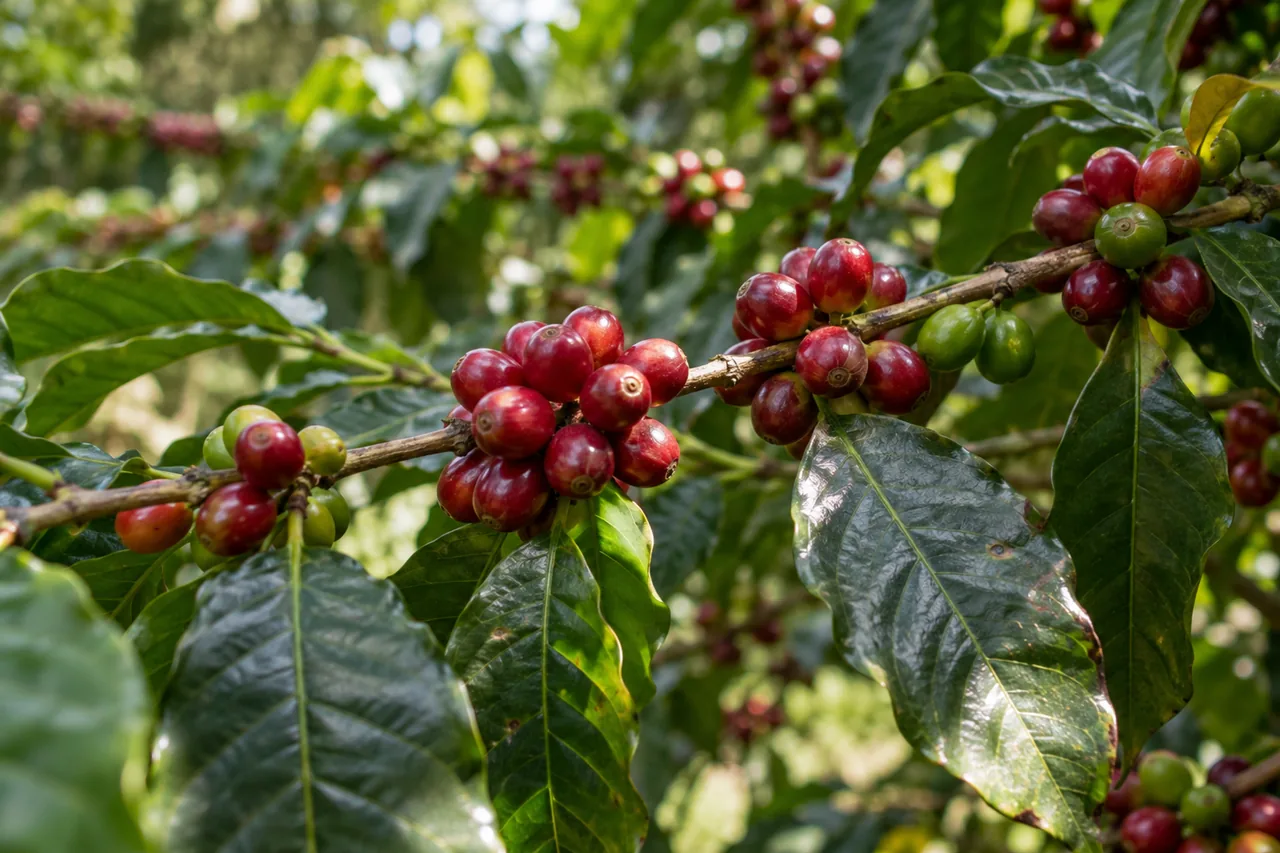
Register harvests by plot
Each lot carries an origin reference of its farm or plot, never made from the plot's location. Plots are kept as points or polygons.
Receive parchment in bags
Type the bags you receive; the lot is recorded in exact kilograms of the product.
Hull, grade and keep the inputs
The green lot names every parchment lot that went into it. A control flags a step whose green output falls outside 70–86 % of the parchment, and Humboldt explains it.
Attach certificates and lab results
Organic and other certificates, lab analyses and quality grades, each with who stands behind it.
Deliver with the evidence
Each delivery carries the due diligence statement reference. An evidence check lists what is recorded and what is missing before the container leaves.

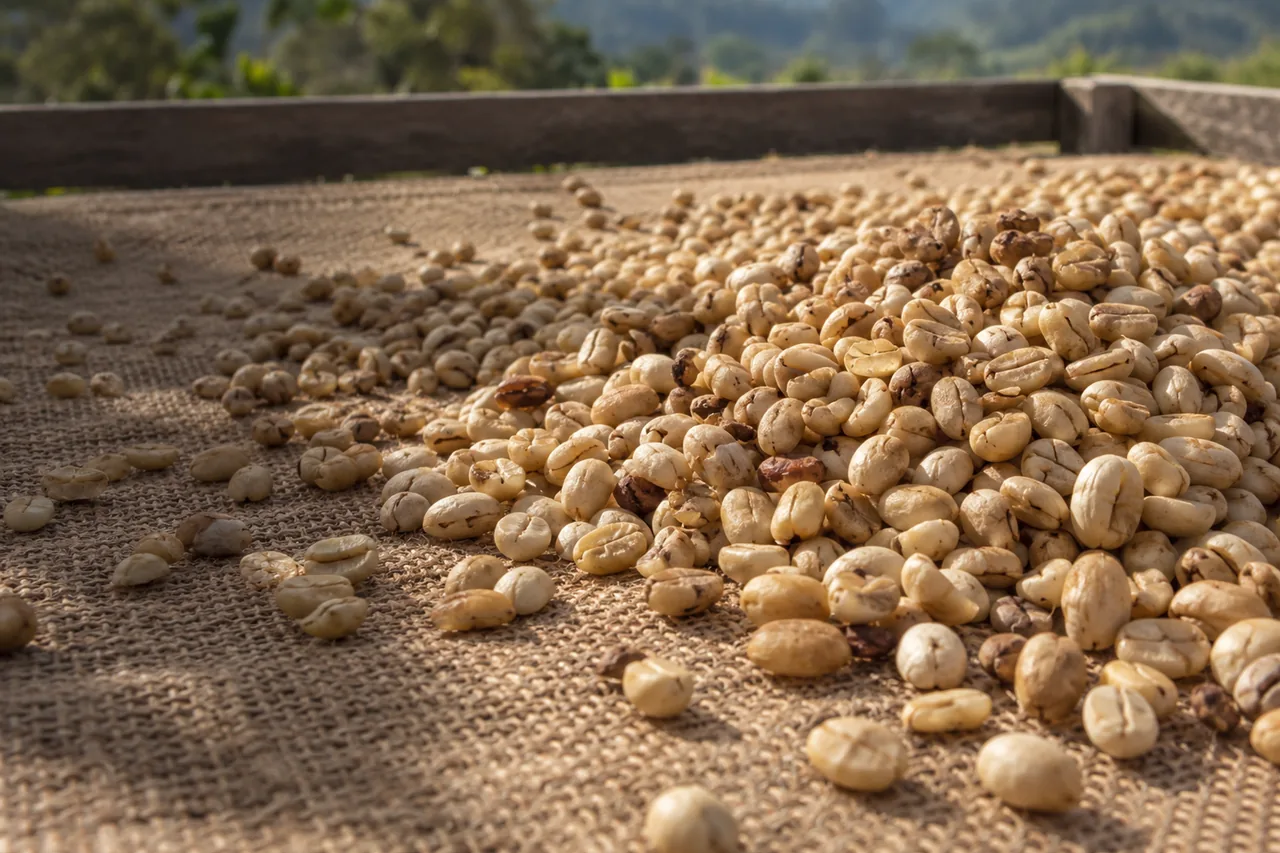
Parchment, green, roasted: every change of form keeps its inputs.
Processing makes new lots from existing ones, and each new lot keeps the link to the lots it came from.
See lots and lineageThe features it uses
The platform's features as they are; your products, units and certificates are settings.
- Lots and lineageRegister, deliver, split and process lots, and trace every kilogram back to the farm.
- DeliveriesHand lots to customers, warehouses and processors, checked by your lot rules before anything moves.
- Certificates and evidenceCertificates and lab results on each lot, with who stands behind each one.
- Lot rulesChecked before anything moves: allowed receivers, required certificates, expiry.
- AutomationsWhen something happens, and only if your conditions hold, prepare the next step for review.
- Humboldt, the AI analystExplains findings in business words and suggests next steps. People decide.
- Network and sharingConnect suppliers and customers, share evidence lot by lot and request what is missing.
- Reports and the audit packDashboards, reports and a signed audit pack anyone can verify without an account.
The evidence it produces
What a buyer, an auditor or a verifier you allow can read, with who declared each part.
- Lineage
- Each lot back to its inputs and their plots or farms, and forward to every holder.
- Plots and production dates
- Plots as points or polygons, and production dates set against the 31 December 2020 cut-off.
- Certificates and lab results
- Each with its issuer, its validity and its evidence level.
- The statement reference
- The due diligence statement reference on each delivery under the EUDR.
- EUDR evidence check
- Requirement by requirement: evidence recorded, missing, not verifiable here, gaps first.
- Signed shipment pack
- A signed document, with GeoJSON for the plots, that anyone can verify without an account.
An evidence check lists what the records hold. It is not a legal opinion and never says that a lot complies.

See your coffee lots in a sandbox.
Tell us where your coffee comes from and where it goes. We will set it up with your products, bags and certificates.