Your processes, in your own words.
Field work, processes, stage lists and the facts you keep about lots, defined the way your company works. Start from A-REX templates for your industry, share one library across your organization, and each record keeps the version it was made with.

In figures
- 165A-REX templates for field work, facts, processes and stagesCounted in the platform’s code.
Counted in the platform’s code or measured on the A-REX test environment, November 2026. Not customer results.
The problem
From fixed forms to your own definitions
Every company works its own way, and fixed forms flatten it.
Each definition is mapped to a reference stage and to the GS1 business step, so a reader who does not know your words still understands the record.
Different names for the same step
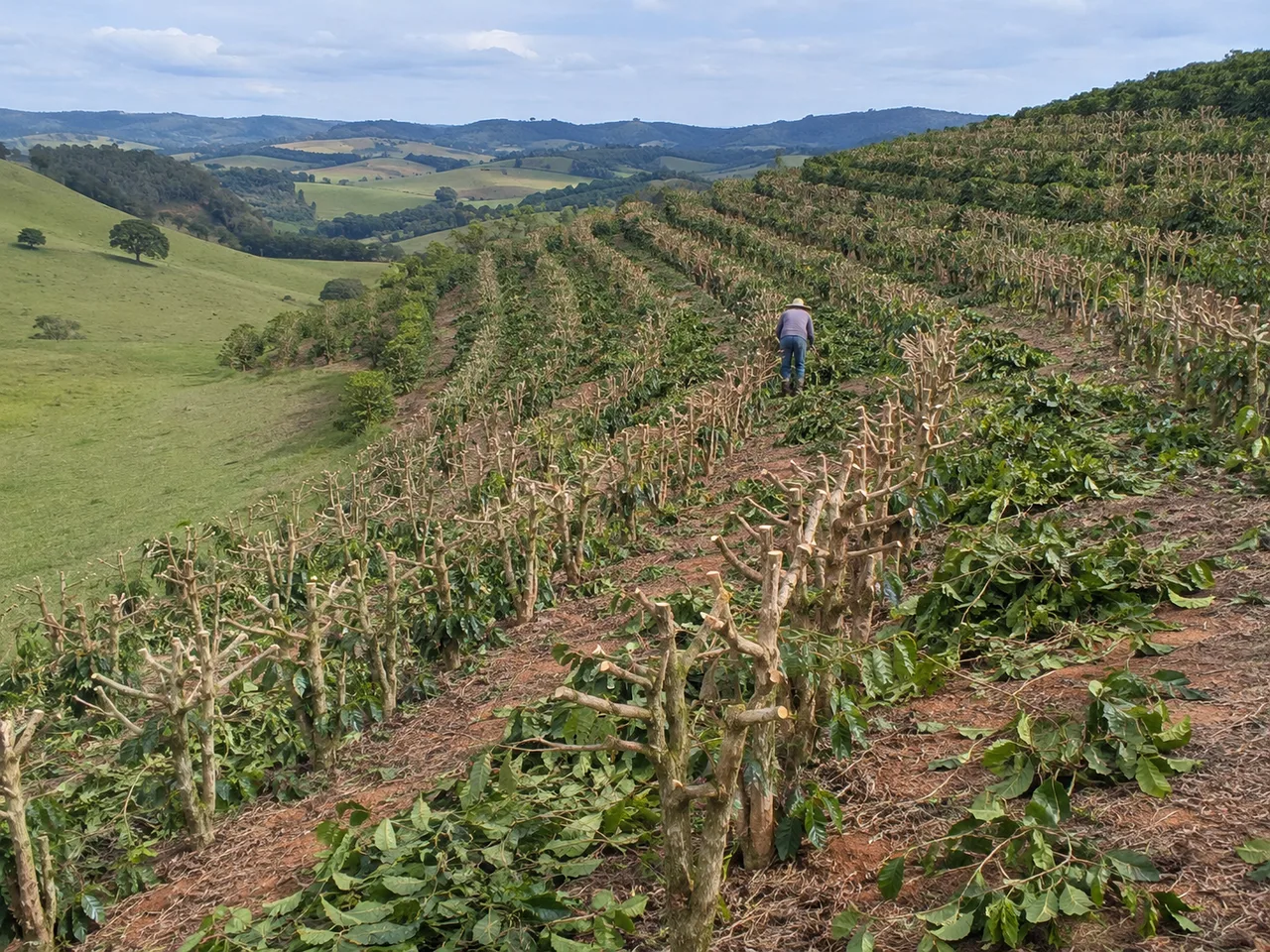
One farm prunes, another skeletonises; one mill hulls, another mills. Records that use different names cannot be compared.
Forms that change
A new field this season breaks last season's records, or nobody knows which form a record was made with.
Each company on its own
The group's companies each keep their own lists, and none of them match.
What it does
In your words
Types of field work, processes, stage lists and fact layouts with your own names and fields. A definition stays a draft until you publish it.
Read the full moduleOne library for the organization
The organization publishes definitions once; its companies use them as they are, or copy and change them. A definition can be locked for companies.
Read the full moduleProduct lines, one at a time
Group your products by family, such as milk and cheese or soy and maize, so lists of lots, stages and processes stay short. A product line only groups: traces and recalls always follow every lot, across lines. A run that makes cheese from milk shows in both lines, marked as a bridge.
Read the full moduleStage order
A strict list refuses a move that skips a required stage; a flexible one records stages in any order and the checks report what was skipped. A lot goes back to an earlier stage only with a reason, such as rework or a buyer's return.
Read the full moduleNew versions, when you choose
When the organization publishes a new major version, each company keeps recording the one it has until it adopts the new one.
Read the full moduleForms that fit the work
Sections, field widths, fields shown or required only when another answer calls for them, defaults and computed values, arranged in the form layout designer.
Read the full moduleFacts on lots and sites
Vaccinations, weighings, transit documents, cupping scores: what your company declares about a lot or a site, recorded on its page with who declared it.
Read the full moduleHow it works
From a template to records in your company's words.
Pick a template
Or start from a blank definition, in your words.
Shape the form
Fields, units and the form layout, previewed as your people will see it.
Publish
Your company, or your whole organization, records with it from then on.
Record and change
A new version never rewrites old records: each one keeps the version it was made with.
Work recorded as it is done
Field work is recorded where it happens, in the words your people use, and keeps the form it was recorded with.
- Process steps declared by your company; not a certification.
- Each definition mapped to a reference stage and the GS1 business step.
- Field records can go on the ledger, one anchor a day.
What you can define
165 A-REX templates across eleven packs, and all 165 can be used today: field work, fact layouts, process types and stage lists.
| Kind | What it holds |
|---|---|
| Field work | Work done on a plot or a site: pruning, spraying, scouting, tapping. Recorded with its date, place, inputs and who did it. |
| Fact layouts | What your company declares about a lot or a site: a vaccination, a weighing, a transit document, a cupping score. |
| Processes | What turns a lot into another: fermentation, hulling, crushing, slaughter. Templates are ready, and processes are recorded on lots with their inputs and outputs. |
| Stage lists | The stages a lot goes through, in order. Templates are ready, and stages are marked on lots as they are reached. |
| Versions | Every published definition has a version, and every record keeps the version it was made with. |
| Second approver | Changes to your definitions can need a second owner or administrator to approve them, on by default for the organization's library. A definition can also ask that each of its records goes on the ledger only after a second member approves it. |
| Stage order | Strict by default, or flexible. What the ledger records on its own, such as a registration, processing or a receipt, is never refused: a missing required stage shows as not recorded, and the checks flag it. |
Who uses it
Owners and administrators define; the people in the field record.
Administrator
Builds and publishes definitions, and adopts new versions.
Organization
Publishes the shared library and locks what companies must not change.
Operator
Records field work and facts with the forms published for them.
Auditor
Reads each record with the definition and version it was made with.
Without a shared format, each platform invents its own, and two organisations with different names for the same step cannot compare records.
Resources
The guides, the open standard and the details behind every screen.
- GuideYour own types of work, processes and stagesDefine the field work, processes and stages your company uses, in your own words and with your own fields, and how records keep the version they were made with.
- ModuleProcesses and stages in fullEvery module in full: what it records, who approves and what it checks.
- GuideHelp centerGuides for every screen of the console
- StandardThe A-REX standardThe open standard, kept by the A-REX Foundation
- DevelopersDevelopersAPI, events, signed webhooks and the MCP server
- TrustSecurity and trustApprovals, keys, personal data and agents
Show us how your work is done.
Tell us your steps and your words. We will set them up from the templates of your industry in a sandbox, so your people can try them.
Explore more