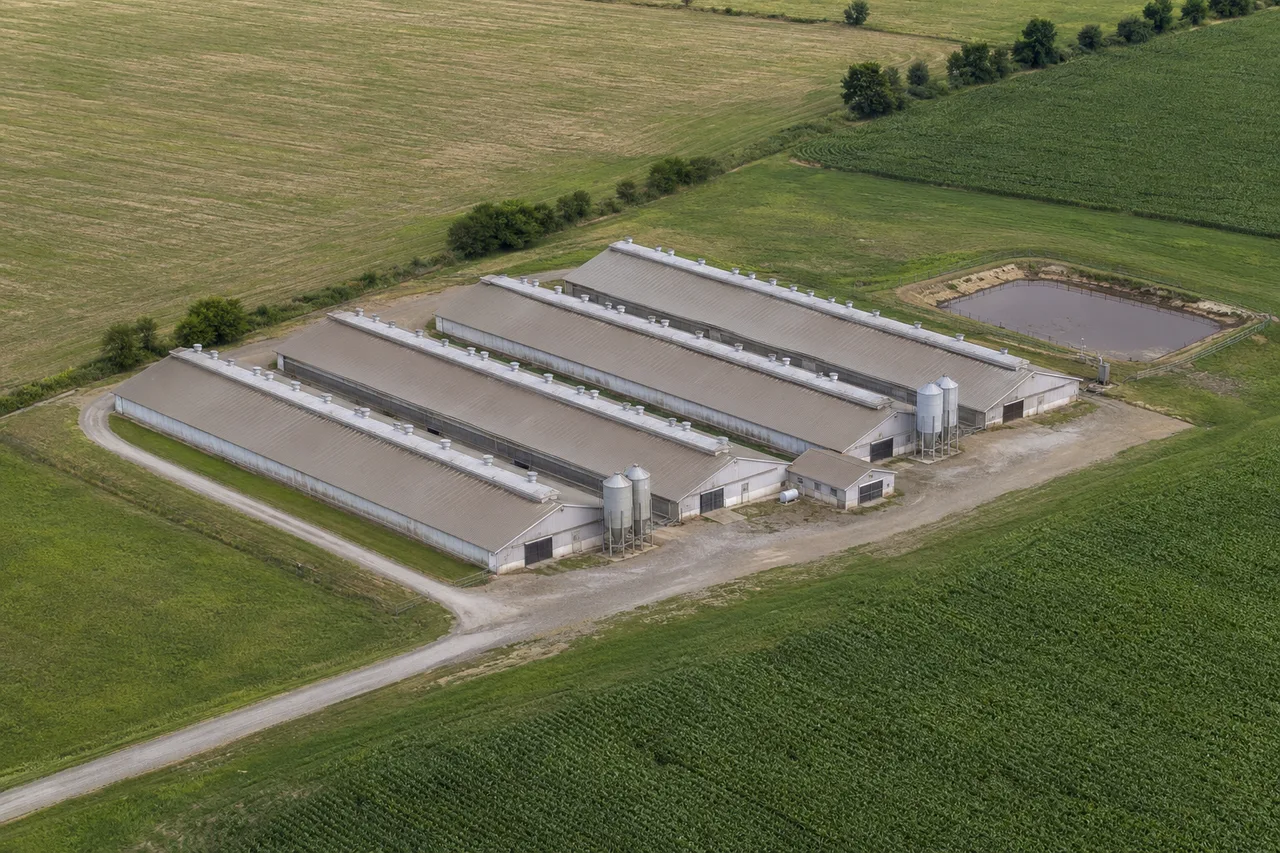
Pork, back to every site the pigs passed through.
Record pigs by group and site, keep feed and medicines with each group, and make carcass and cut lots that name the pigs they came from.
In figures
- 0.49 sTo find every lot a recall reachesMedian of 62 signed recall-scope reports, queue time not counted.
- 34 sA lot with 100,000 events, as a PDFThe platform’s load test, slower of two runs; CSV or EPCIS in up to 18 s.
- 2,543UN/CEFACT units of measureCounted in the reference data the platform ships with.
Counted in the platform’s code or measured on the A-REX test environment, November 2026. Not customer results.
The challenge
Pigs move in groups between farrowing, nursery and finishing sites.
Several sites per group
Farrowing, nursery and finishing often happen on different farms, and each is a place the records must name.
Feed and medicines
Feed and medicines, with their withdrawal periods, must stay with the group that received them.
Counted, then weighed
Pigs are counted by the head, and carcasses, cuts and offal are weighed; the records must hold all of them.
Products used
How A-REX runs pork, step by step.
01
Register harvests
Register pigs by group and site, counted by the head, each lot with the origin reference of its farm. Slaughter and cutting then make lots in kilograms that name the pigs' lots as inputs.
- Pigs counted, cuts weighed, both on record
- Each lot with the origin reference of its farm
Fictitious demo data 02
Facts
Record what happens to a group without changing the lot: feed, vaccinations, medicines and their withdrawal periods, weighings, in fact types you define. Each fact says it was declared by your company.
- Fact types in your own words
- Each one marked declared by your company
Fictitious demo data 03
Lot rules
Allow the sites, plants and buyers each lot may go to, and name the certificates it needs. Lot rules check every move and slaughter before it happens, and a new rule runs on trial against your real operations first.
- Every move checked before it happens
- New rules tried on real operations first
Fictitious demo data 04
Processing
Slaughter and cutting make carcass, cut and offal lots that each name the pigs they came from, in kilograms.
- Carcasses, cuts and offal keep their inputs
- Counted in, weighed out, both on record
Fictitious demo data 05
Lineage
Open a lot of pork to see the groups and every site behind it, and everything made from a group. The recall scope lists every lot, holder and quantity a recall reaches.
- Back to every site
- Forward to every holder, for a recall
Fictitious demo data 06
Tracked deliveries
Moves between sites and to the slaughterhouse are deliveries a person approves after your lot rules have checked the receiver. Tracked deliveries keep the custody record and, for chilled cuts, temperature against the agreed range.
- Moves between sites keep the lineage
- Chilled cuts with readings against the agreed range
Fictitious demo data



The journey, stage by stage
Every step is a proposal a person approves.
Start from the pork chain
Live pigs, pork and offal with their HS codes, by the head and in kilograms, the schemes buyers ask about, such as GLOBALG.A.P. and Organic, and what partners usually share.
Register pigs by group and site
Counted by the head, each lot with the origin reference of its farm.
Record each move
Moves from farrowing to nursery to finishing are deliveries that keep the lineage, and lot rules check every receiver.
Keep the feed with the group
Which feed each group received, as facts your company declares on its lot.
Record medicines
Each treatment and its withdrawal period as a fact on the group's lot, with who declared it.
Slaughter and cut, keeping the inputs
Processing makes carcass, cut and offal lots in kilograms that name the pigs' lots as inputs.
Deliver with the evidence
Lot rules check the receiver, the certificates and the expiry first, and a recall follows the same lineage.
The evidence it produces
What a buyer, an auditor or a verifier you allow can read, with who declared each part.
- Lineage
- Each lot back to its inputs and their plots or farms, and forward to every holder.
- Lot facts
- What your company declares about a lot, such as a treatment, the feed or a sample, each with who declared it.
- Certificates and lab results
- Each with its issuer, its validity and its evidence level.
- Recall scope
- Every lot, holder and quantity a recall reaches.
- Commodity codes
- Each product with the code of your country, from HS and NCM to CN and HTS.
- EPCIS and UNTP
- Lot events as EPCIS 2.0, and the UNTP product passport of a lot.
An evidence check lists what the records hold. It is not a legal opinion and never says that a lot complies.
Regulation crosswalk
What each rule asks of you, and where the platform keeps it. Evidence, not a legal opinion.
| Rule | What it asks of you | Where the platform keeps it |
|---|---|---|
| Certification schemes | Organic and other schemes, as certificates a lot must carry. | Each certificate with its issuer and evidence level; a lot rule can stop a lot that lacks one. |
| National rules | Country profiles for what each jurisdiction asks for. | Product codes, units and records in the scheme of each country, from HS and NCM to CN and HTS. |
More from Livestock and aquaculture
 Cattle and beefAnimals, lots and cuts, back to the farms they came from.
 DairyMilk by farm and day, through collection and the lab to cheese and whey.
 Poultry and eggsFlocks by house, from feed and treatments to chicken meat and packed eggs.
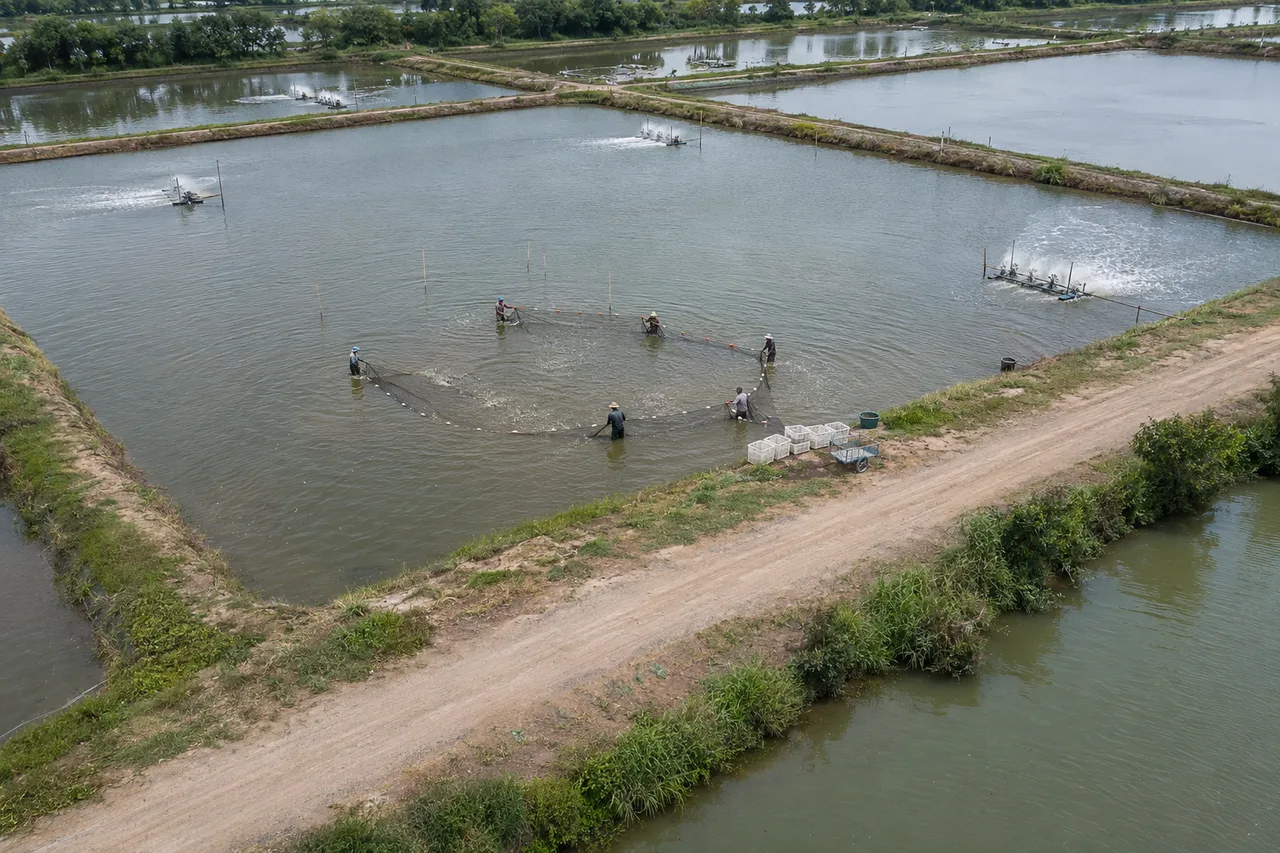 AquacultureFarmed fish and shrimp by pond or cage, from stocking to the frozen lot.
Talk to us about Pork
Tell us how your pigs move between sites and plants. We will set it up with your products and units.
Talk to us