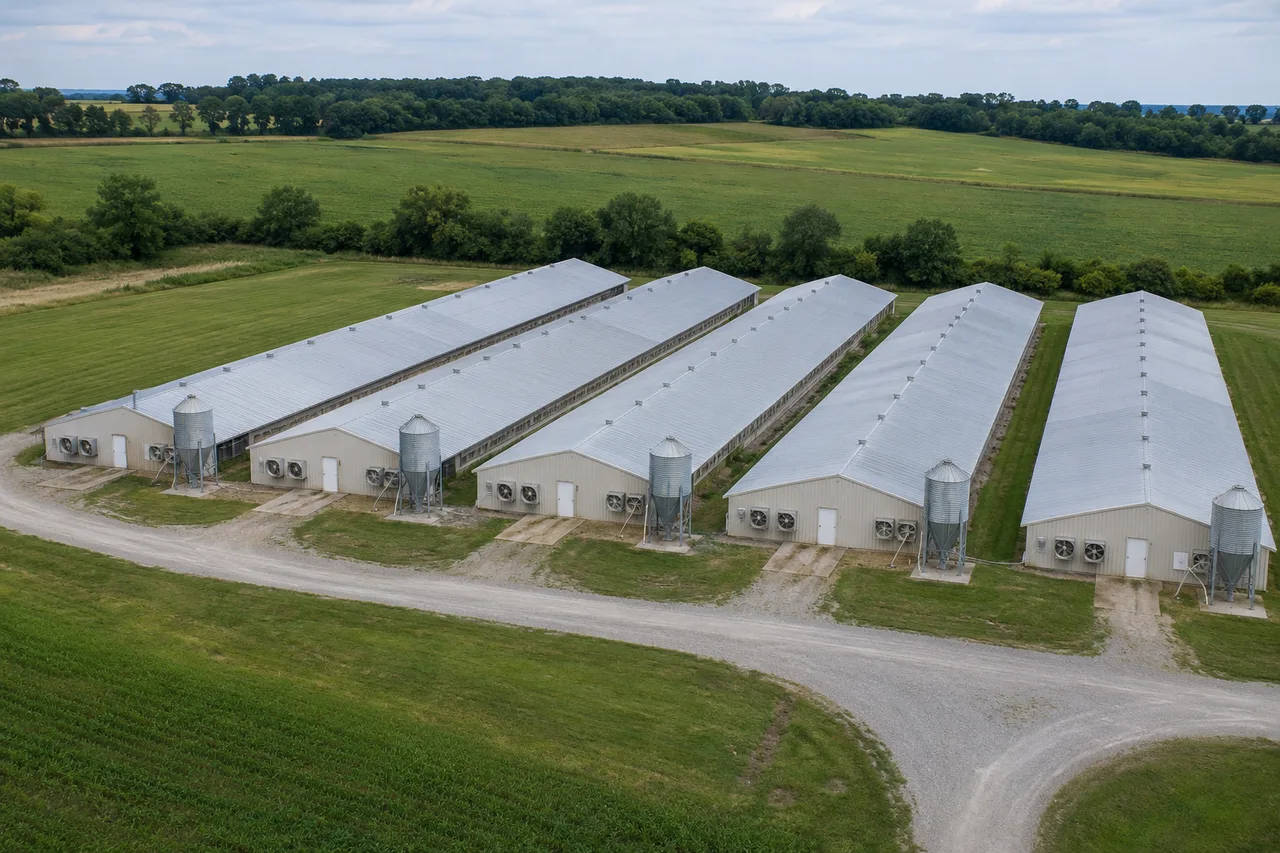
Poultry and eggs, flock by flock.
Record flocks by house, keep feed, treatments and Salmonella samples with each flock, and make meat and egg lots that name the flock they came from.
In figures
- 4Formats of the FSMA 204 reportCounted in the platform’s code.
- 0.49 sTo find every lot a recall reachesMedian of 62 signed recall-scope reports, queue time not counted.
- 34 sA lot with 100,000 events, as a PDFThe platform’s load test, slower of two runs; CSV or EPCIS in up to 18 s.
Counted in the platform’s code or measured on the A-REX test environment, November 2026. Not customer results.
The challenge
Birds are raised in houses, in flocks placed and removed together.
A flock per house
Chicks are placed in a house together and leave together, so the house and the placement date name the flock.
Feed and treatments
Feed, vaccinations and medicines carry one withdrawal period for meat and another for eggs, and both must stay with the flock that received them.
Shell eggs on the FDA's list
Shell eggs are on the Food Traceability List of FSMA 204; chicken meat is regulated by the USDA and is not.
Products used
How A-REX runs poultry and eggs, step by step.
01
Register harvests
Register each flock by house, counted by the head, and egg lots counted one by one, recorded exactly, each with the origin reference of its farm.
- Birds by the head, eggs one by one
- Each lot with the farm it came from
Fictitious demo data 02
Facts
Record what happens to a flock without changing the lot: placement, vaccinations, treatments, feed, Salmonella samples, house conditions and daily losses from the poultry template, or your own fact types. Each fact says it was declared by your company.
- Poultry facts from a ready template
- Each one marked declared by your company
Fictitious demo data 03
Processing
Slaughter makes chicken, offal and feathers in kilograms, each its own lot naming the flock, and grading makes one egg lot per class and weight grade. Feed conversion, liveability and stocking density are read in Reports from these records, never stored.
- Meat, offal and feathers keep their flock
- Feed conversion and density read in Reports
Fictitious demo data 04
Lineage
Open a lot of meat or eggs to see the flock, the house and the farm behind it, and everything made from a flock. The recall scope lists every lot, holder and quantity a recall reaches.
- Back to the house and the farm
- Forward to every holder, for a recall
Fictitious demo data 05
Lot rules
Allow the plants and buyers each lot may go to, name the certificates it needs and set when it expires. Lot rules check every move before it happens, and a new rule runs on trial against your real operations first.
- Every move checked before it happens
- New rules tried on real operations first
Fictitious demo data 06
Readings
Temperature from a logger or a tracker is charted against the range agreed for the trip, with each excursion and door opening marked. A grade from A to E says how complete the readings are, never how good the goods are.
- Excursions and door openings marked
- Chilled meat and eggs against the agreed range
Fictitious demo data



The journey, stage by stage
Every step is a proposal a person approves.
Start from the poultry template
Live birds, chicken meat, eggs, egg products and feathers with their HS codes, birds by the head and eggs one by one, the schemes buyers ask about, such as Halal, Certified Humane and Organic, and what partners usually share.
Place each flock in its house
Flock placement keeps the species, the birds, the hatchery and hatch date, the house and its usable area, the grower who raises it and the holding's official registration. Daily losses keep deaths and culls with their cause.
Keep the feed with the flock
Each feed delivery names the feed lot it came from, so a flock's lineage reaches the grain and its plots. Medicated feed keeps its prescription and its withdrawal periods for meat and eggs.
Record vaccinations and treatments
A treatment keeps the product, the birds and its withdrawal periods for meat and for eggs, as the label or the vet gives them. A check compares the day a flock leaves for slaughter with the meat withdrawal recorded on it.
Record Salmonella samples
Each sample keeps the programme, the sample type, the lab, the result and the day it was known, on the flock's lot. The figures of the EU, the United States and Brazil are shown as references that decide nothing.
Slaughter and cut, keeping the inputs
Poultry slaughter keeps the birds, the live and carcass weight, the birds dead on arrival and condemned, and the stunning method. Chicken, offal and feathers come out as lots of their own that name the flock; a recall follows the same lineage.
Grade and pack eggs
Egg lots by house and day, counted one by one and shown by the dozen, name their flock. Grading makes one lot per class and weight grade, with the EU, Brazilian and US grades kept apart; for shell eggs sold in the United States, each lot keeps its traceability lot code.
Deliver with the evidence
Lot rules check the receiver, the certificates and the expiry before a lot leaves, and each delivery keeps who signed each step.
The evidence it produces
What a buyer, an auditor or a verifier you allow can read, with who declared each part.
- Lineage
- Each lot back to its inputs and their plots or farms, and forward to every holder.
- Lot facts
- What your company declares about a lot, such as a treatment, the feed or a sample, each with who declared it.
- Certificates and lab results
- Each with its issuer, its validity and its evidence level.
- Traceability lot codes
- The code on each lot, with where it was assigned.
- Recall scope
- Every lot, holder and quantity a recall reaches.
- EPCIS and UNTP
- Lot events as EPCIS 2.0, and the UNTP product passport of a lot.
An evidence check lists what the records hold. It is not a legal opinion and never says that a lot complies.
Regulation crosswalk
What each rule asks of you, and where the platform keeps it. Evidence, not a legal opinion.
| Rule | What it asks of you | Where the platform keeps it |
|---|---|---|
| FSMA 204 | Key data elements and traceability lot codes for each critical tracking event. | The key data elements of every receipt, transformation and shipment, kept with the traceability lot code. |
| Certification schemes | Organic and other schemes, as certificates a lot must carry. | Each certificate with its issuer and evidence level; a lot rule can stop a lot that lacks one. |
| National rules | Country profiles for what each jurisdiction asks for. | Product codes, units and records in the scheme of each country, from HS and NCM to CN and HTS. |
More from Livestock and aquaculture
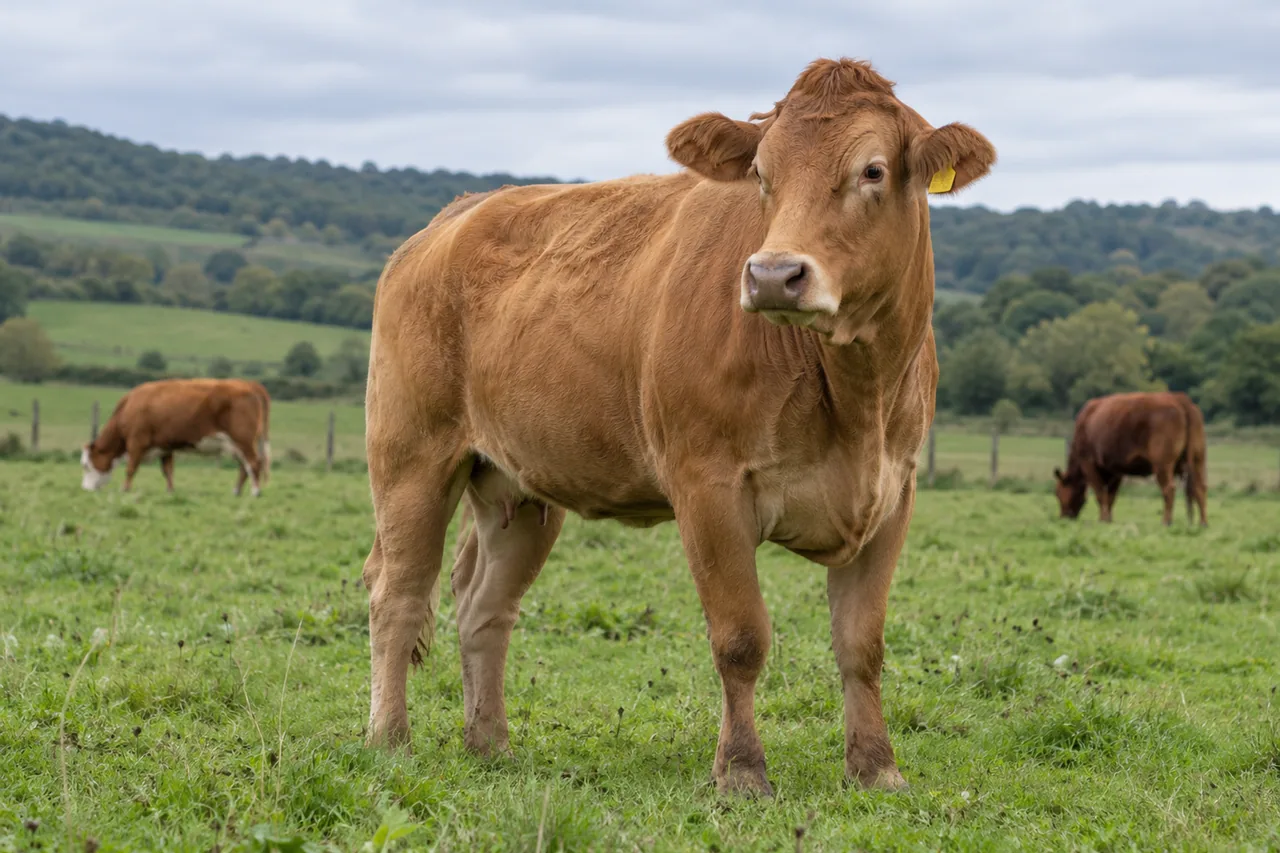 Cattle and beefAnimals, lots and cuts, back to the farms they came from.
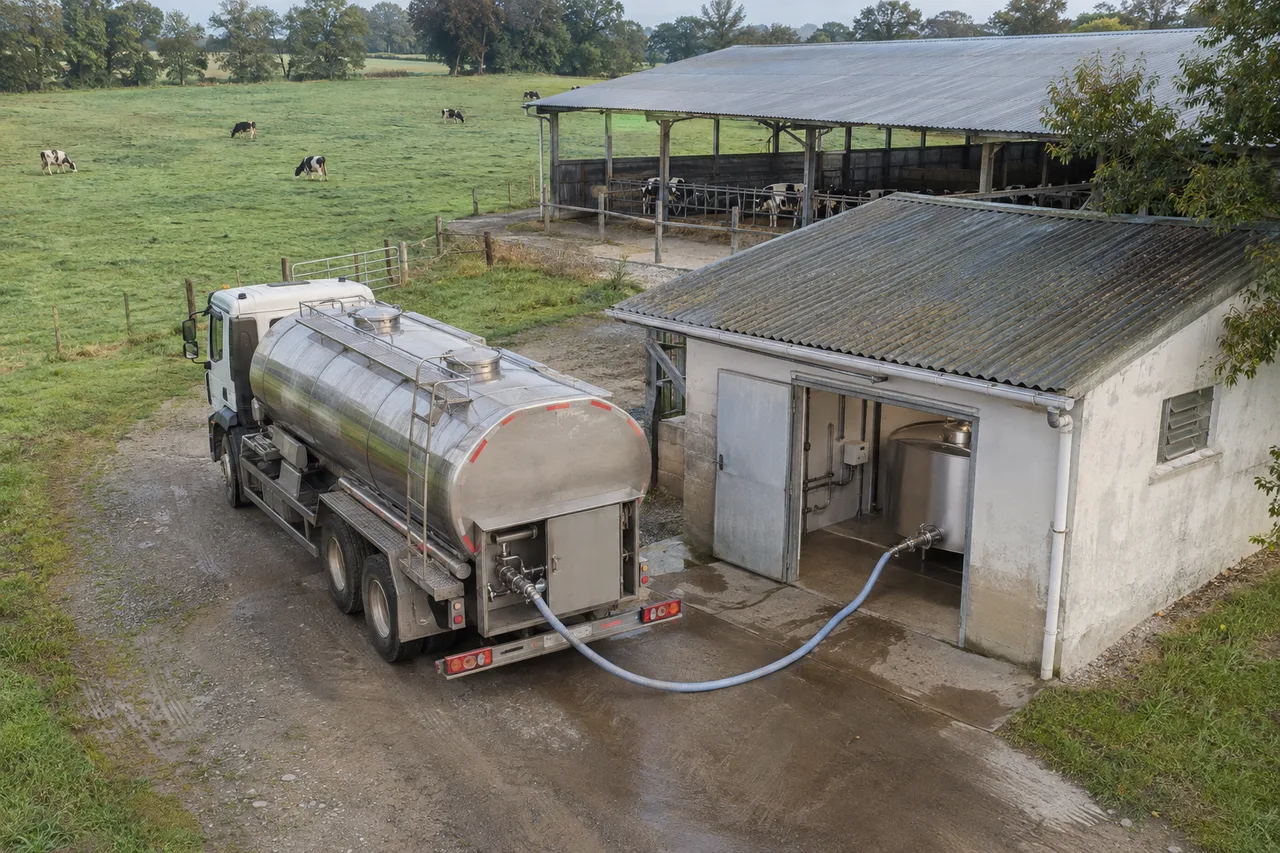 DairyMilk by farm and day, through collection and the lab to cheese and whey.
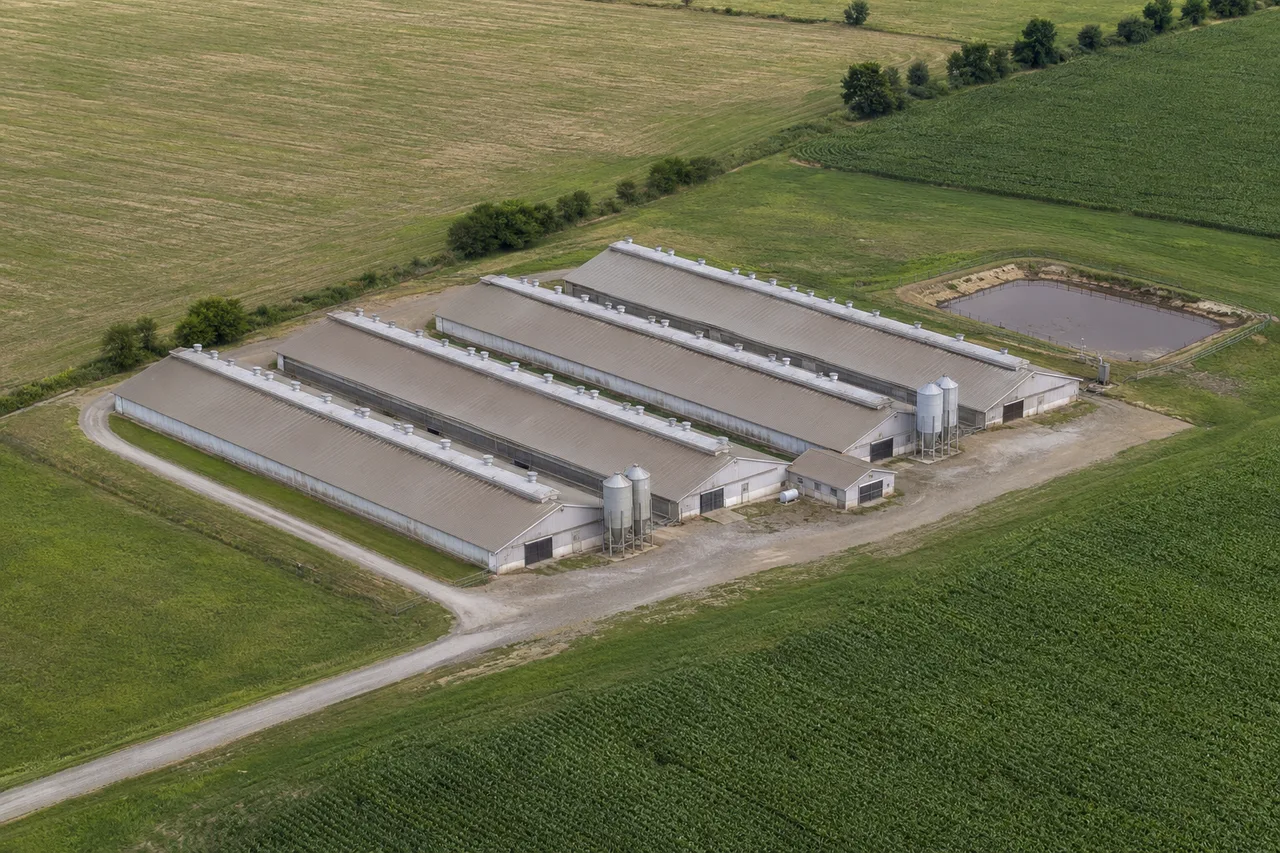 PorkPigs by group and site, from farrowing to finishing, slaughter and cuts.
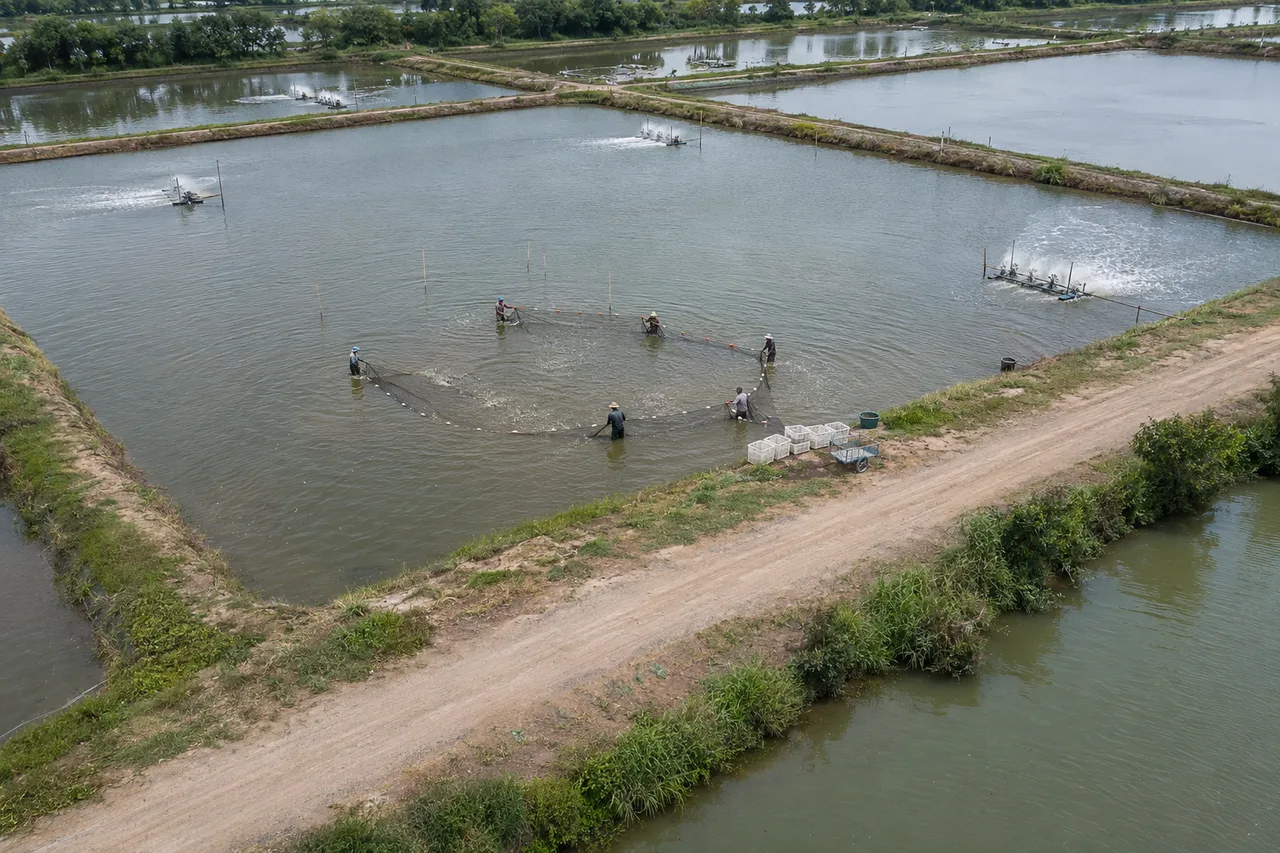 AquacultureFarmed fish and shrimp by pond or cage, from stocking to the frozen lot.
Talk to us about Poultry and eggs
Tell us how your houses, plant and egg rooms work. We will set it up with your products and units.
Talk to us