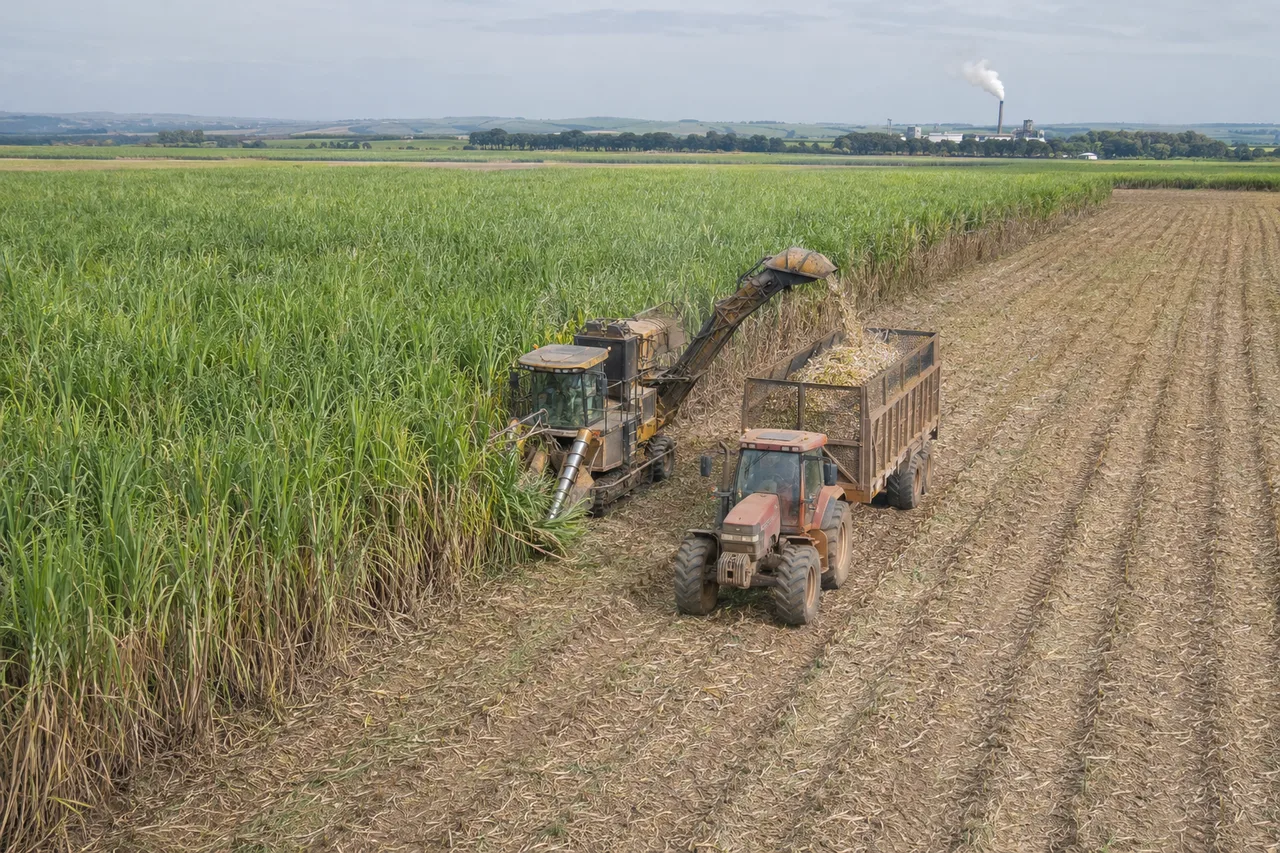
Sugarcane, from the plot to sugar and ethanol.
Record cane by plot and load, keep the mill's crushing linked to every load, and hand on sugar, ethanol and molasses lots with the certificates buyers ask for.
In figures
- 0.51 sMass balance report, built and signedMedian of 52 signed reports, queue time not counted.
- 0.56 sProcessing yield report, built and signedMedian of 40 signed reports, queue time not counted.
- 106,328Product codes in 7 classificationsCounted in the reference data the platform ships with.
Counted in the platform’s code or measured on the A-REX test environment, November 2026. Not customer results.
The challenge
A mill crushes cane from its own fields and from suppliers, load after load.
Load after load
Cane arrives by the truckload from many plots, and each load is weighed before it is crushed.
Paid on quality
Suppliers are often paid on the sugar content of their cane, so the sample and its result belong to the load.
One crush, several products
The same juice becomes sugar or ethanol, and molasses comes out as a by-product; each needs a lot of its own.
Products used
How A-REX runs sugarcane, step by step.
01
Register harvests
Register each load of cane in tonnes, recorded exactly, with the origin reference of its plot or supplier, the season it belongs to and its stage: Harvested, Loaded or Delivered to the mill.
- Loads in tonnes, recorded exactly
- Each with its plot or supplier and season
Fictitious demo data 02
Field work and weather
Record cane planting and harvest, and the vinasse and filter cake applications that name the lot applied, as ready field work, with the rain and temperature at the plot that day and the next. Rain right after an application reads Wash-off risk.
- Planting, harvest and applications from a ready template
- Wash-off risk shown after an application
Fictitious demo data 03
Facts
Record what happens to the cane and its products without changing the lot: the load quality with the figure your mill pays on (ATR, CCS or recovery, as the lab reports it, never computed), sugar quality and ethanol quality from the sugarcane template, or your own fact types. Each fact says it was declared by your company.
- Sugarcane facts from a ready template
- Each one marked declared by your company
Fictitious demo data 04
Processing
Merge the day's loads into the crushing lot, then make sugar and ethanol: each new lot names every input, and molasses, bagasse, filter cake and vinasse come out as lots of their own. By-products recorded in tonnes or kilograms count in the mass balance; ethanol in litres has no weight there. A control flags a step that puts out more weight than went in, and Humboldt explains the finding.
- Crushing keeps every load as an input
- Molasses, bagasse and vinasse as lots of their own
Fictitious demo data 05
Lineage
Open a lot of sugar to see the mill lots and the loads behind it, and everything made from a load. Follow it forward to every holder, even across companies.
- Back to every load and plot
- Forward to every holder
Fictitious demo data 06
Lot rules
Allow the buyers and destinations each lot may go to, and name the certificates it needs, such as Bonsucro. Lot rules check every delivery before it happens, and a new rule runs on trial first.
- Certificates checked before a lot leaves
- New rules tried on real operations first
Fictitious demo data



The journey, stage by stage
Every step is a proposal a person approves.
Start from the sugarcane template
Cane, sugar, ethanol and molasses with their HS codes, in tonnes and litres, the schemes buyers ask about, such as Bonsucro, Organic and Fairtrade, and what partners usually share: certificates and lab results. The template adds stage lists for cane at the field, the sugar and ethanol mill and the refinery, with the field work, facts and process types below: adopt what fits. Ethanol counts in the sugarcane product line only beside your cane, sugar or molasses, so ethanol made from maize stays out of it.
Record planting and harvest on each plot
Cane planting and Cane harvest are ready field work, with the rain and temperature at the plot. The harvest keeps the method, green or after burning, the cut number and the burning authorisation. São Paulo Law 11.241/2002, which sets the end of straw burning at 2021 where a harvester can work and at 2031 on the rest, is shown as a reference, never a verdict.
Register the cane by load
Each load is a lot in tonnes with the origin reference of its plot or supplier. The template's stages are Harvested, Loaded and Delivered to the mill; you can name your own instead.
Record each load's quality
The Cane load quality fact keeps the sample, brix, pol, fibre, purity, reducing sugars, the mineral and vegetal impurities and the lab, the same fields at every mill. Then, if your mill reports it, the figure cane is paid on where you are: ATR in Brazil, CCS in Australia or the recovery in India, as the mill's lab gives it. A-REX computes none of them and decides nothing on them.
Receive and crush, keeping the inputs
Cane reception merges the day's loads into a crushing lot that names every one of them.
Make sugar and ethanol, by-products as lots
Sugar manufacture puts out the sugar with the molasses, bagasse and filter cake as lots of their own; Fermentation and distillation puts out the ethanol and the vinasse. Dehydration, refining, bagging and storage are ready process types too. Record by-products in tonnes or kilograms so the mass balance reads them; ethanol in litres has no weight there, so a distillation run in litres is not checked. Sugar quality and Ethanol quality keep the grade and the figures of the certificate, in Brazil beside ANP Resolution 907/2022 as a reference.
Put vinasse and filter cake back on the field
Vinasse application and Filter cake application are field work on the plot that name the lot applied: the record says which vinasse or filter cake went on the plot. In São Paulo the CETESB P4.231 dose, with potassium at most 5 % of the soil’s cation exchange capacity, is shown as a reference, never a limit A-REX applies.
Deliver with the certificates
Lot rules check the receiver and the certificates before a lot leaves, and each delivery keeps who signed each step.
The evidence it produces
What a buyer, an auditor or a verifier you allow can read, with who declared each part.
- Lineage
- Each lot back to its inputs and their plots or farms, and forward to every holder.
- Mass balance
- Processing output against input, and the findings where it does not add up.
- Lot facts
- What your company declares about a lot, such as a treatment, the feed or a sample, each with who declared it.
- Certificates and lab results
- Each with its issuer, its validity and its evidence level.
- Commodity codes
- Each product with the code of your country, from HS and NCM to CN and HTS.
- EPCIS and UNTP
- Lot events as EPCIS 2.0, and the UNTP product passport of a lot.
An evidence check lists what the records hold. It is not a legal opinion and never says that a lot complies.
Regulation crosswalk
What each rule asks of you, and where the platform keeps it. Evidence, not a legal opinion.
| Rule | What it asks of you | Where the platform keeps it |
|---|---|---|
| Certification schemes | Organic and other schemes, as certificates a lot must carry. | Each certificate with its issuer and evidence level; a lot rule can stop a lot that lacks one. |
| National rules | Country profiles for what each jurisdiction asks for. | Product codes, units and records in the scheme of each country, from HS and NCM to CN and HTS. |
More from Agriculture
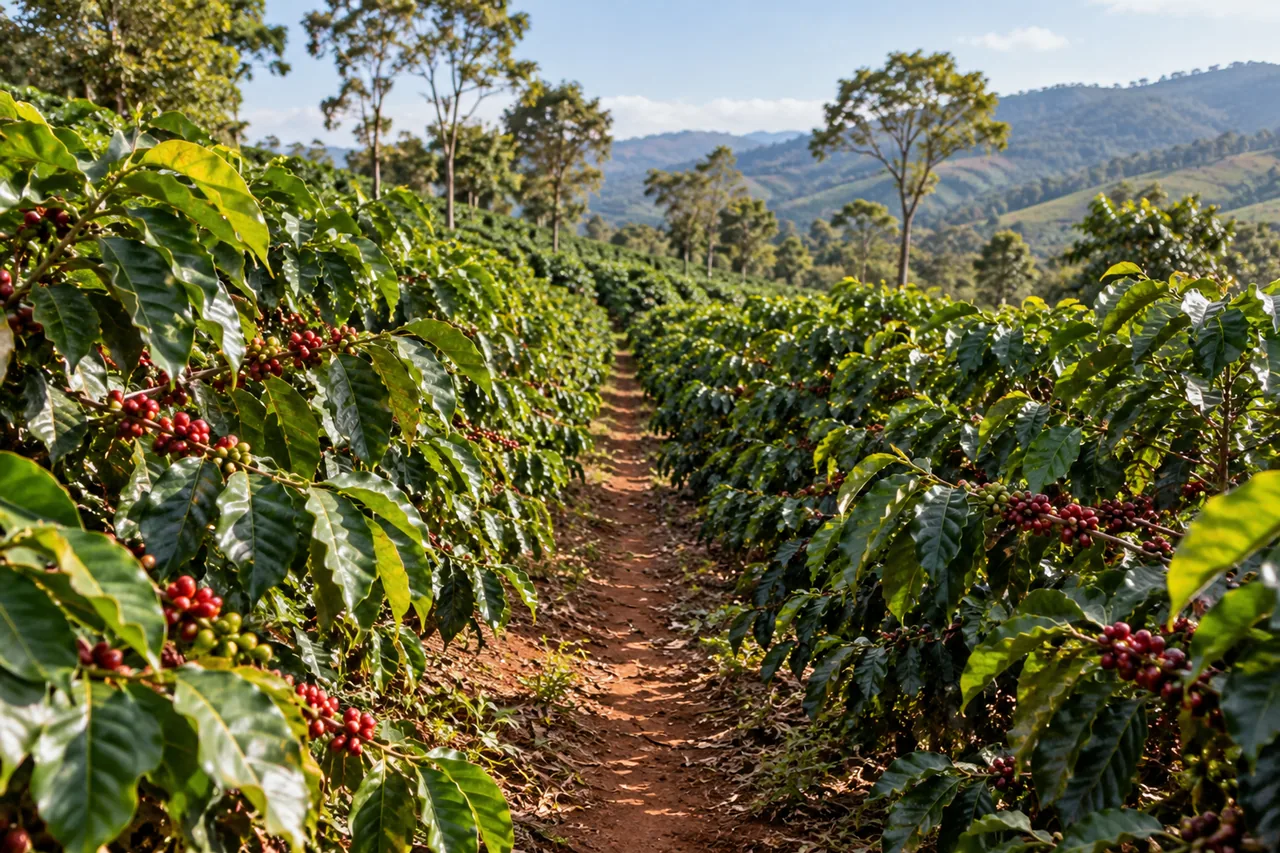 CoffeeFrom parchment at the farm to green coffee in the bag and roasted lots.
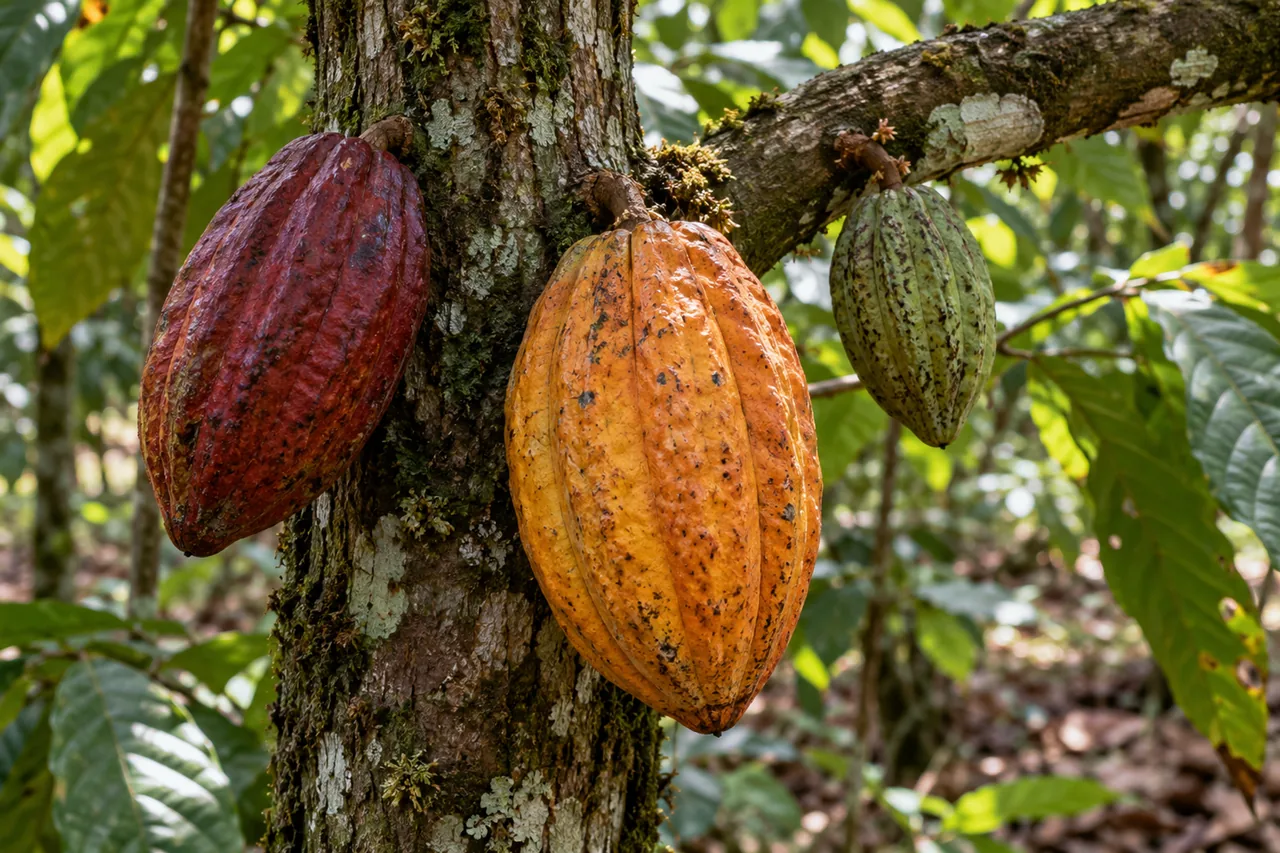 CocoaWet and dry beans by plot, cooperative and exporter.
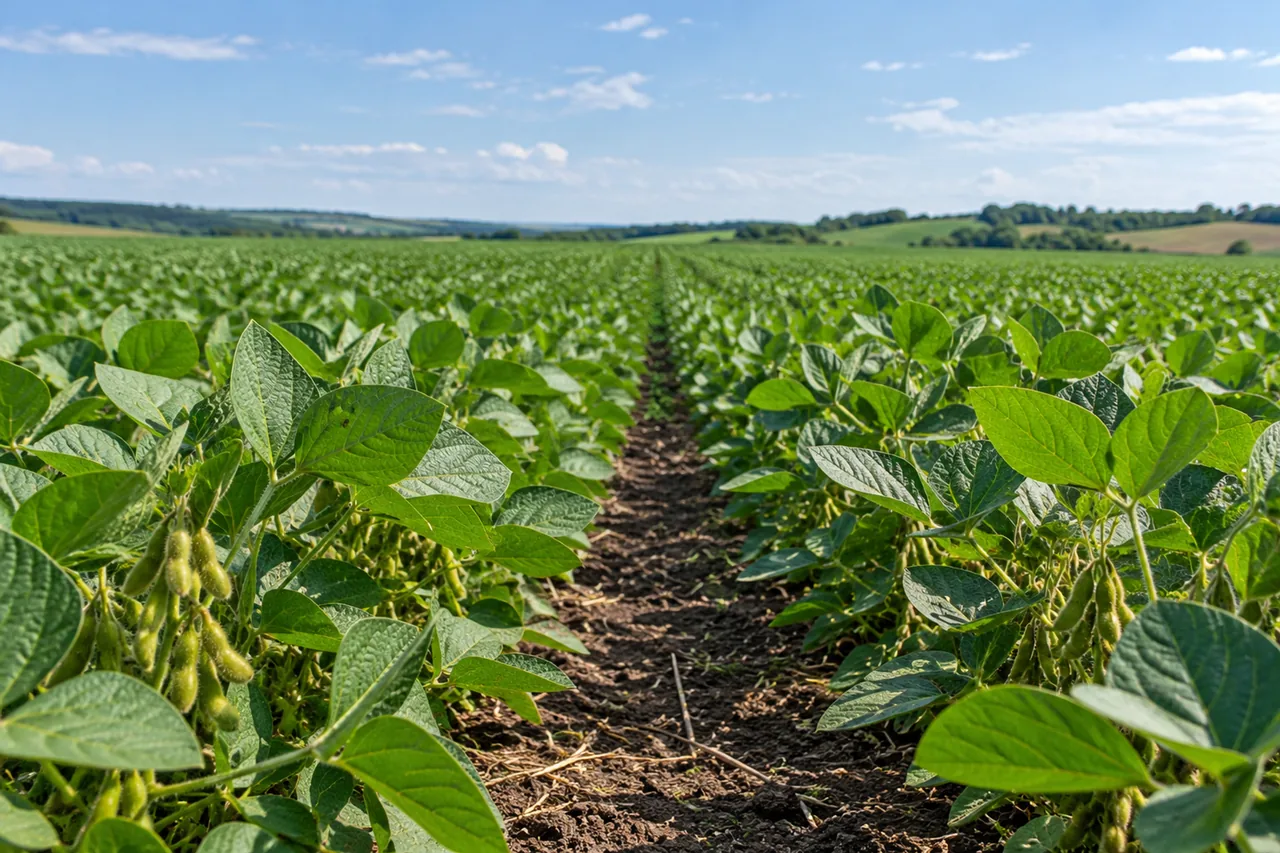 SoyBulk lots by silo and season, with the plots behind them.
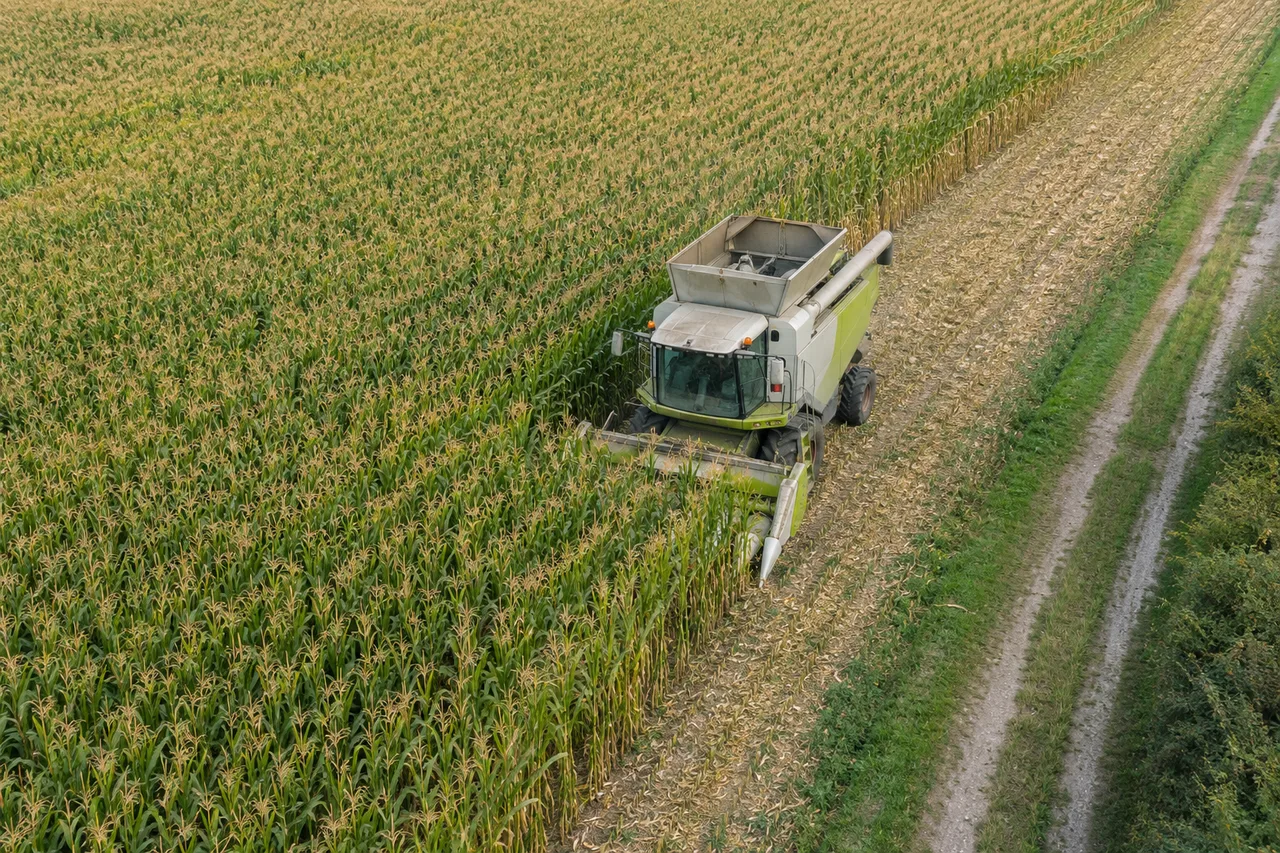 Grains and maizeWheat, maize and barley through silos, blends and mills.
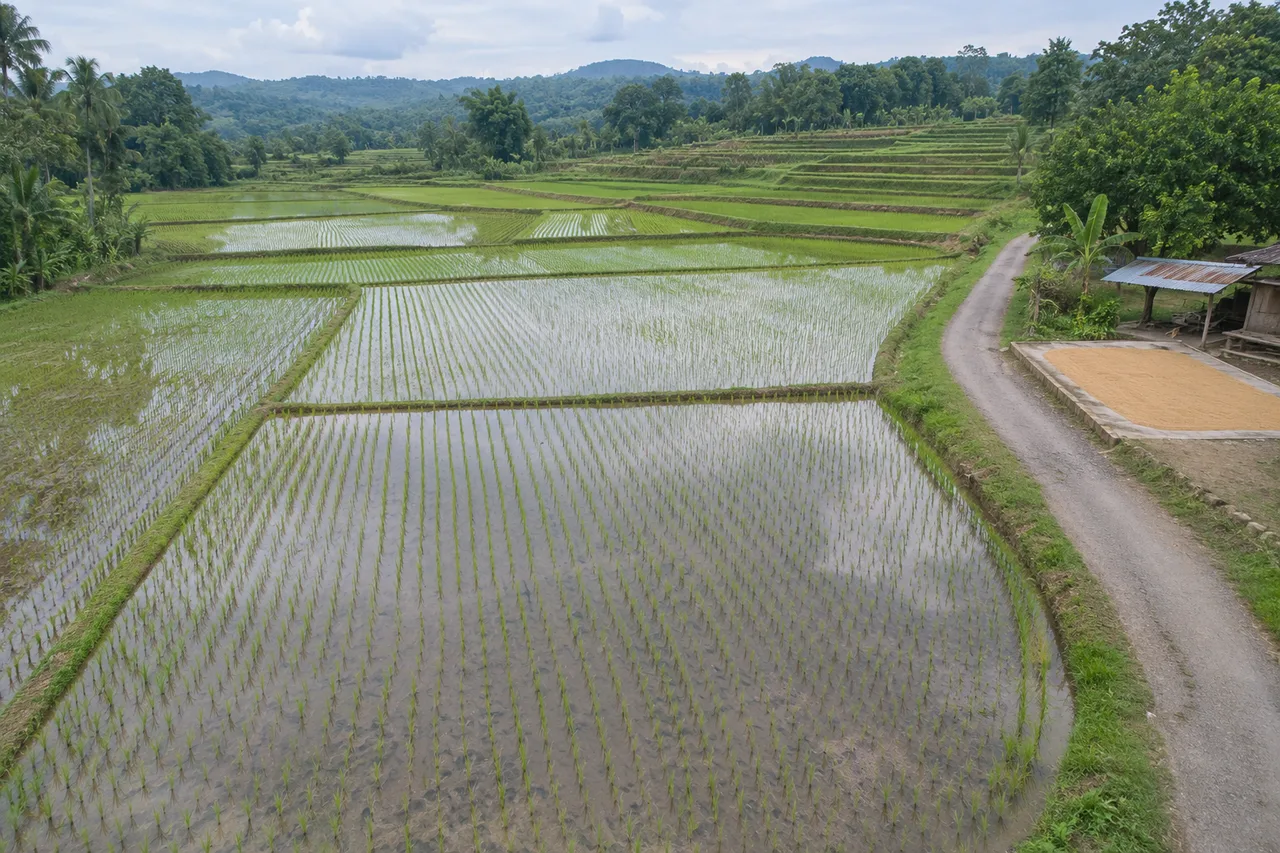 RicePaddy by plot, dried and milled, with the yield of every milling run.
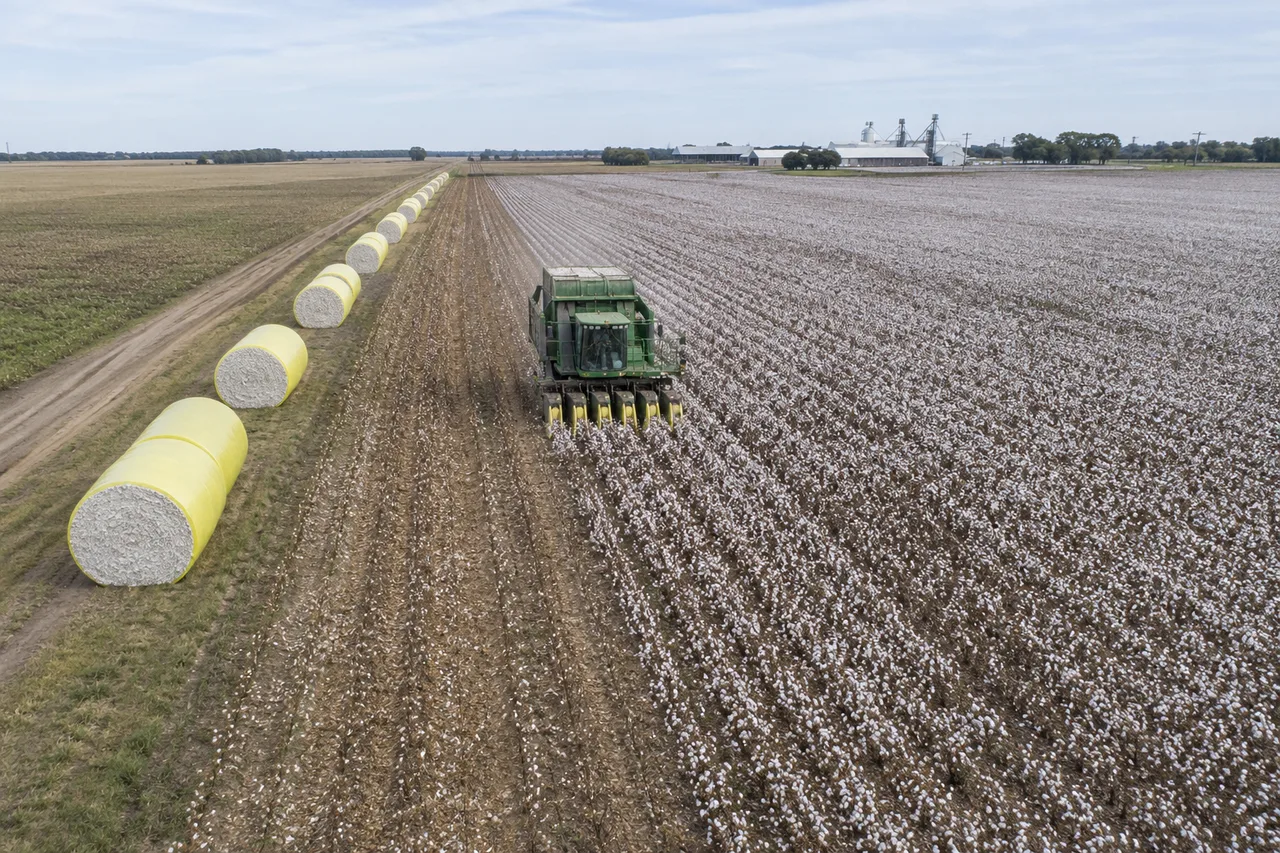 CottonSeed cotton by farm, ginned into lint bales, cottonseed and linters.
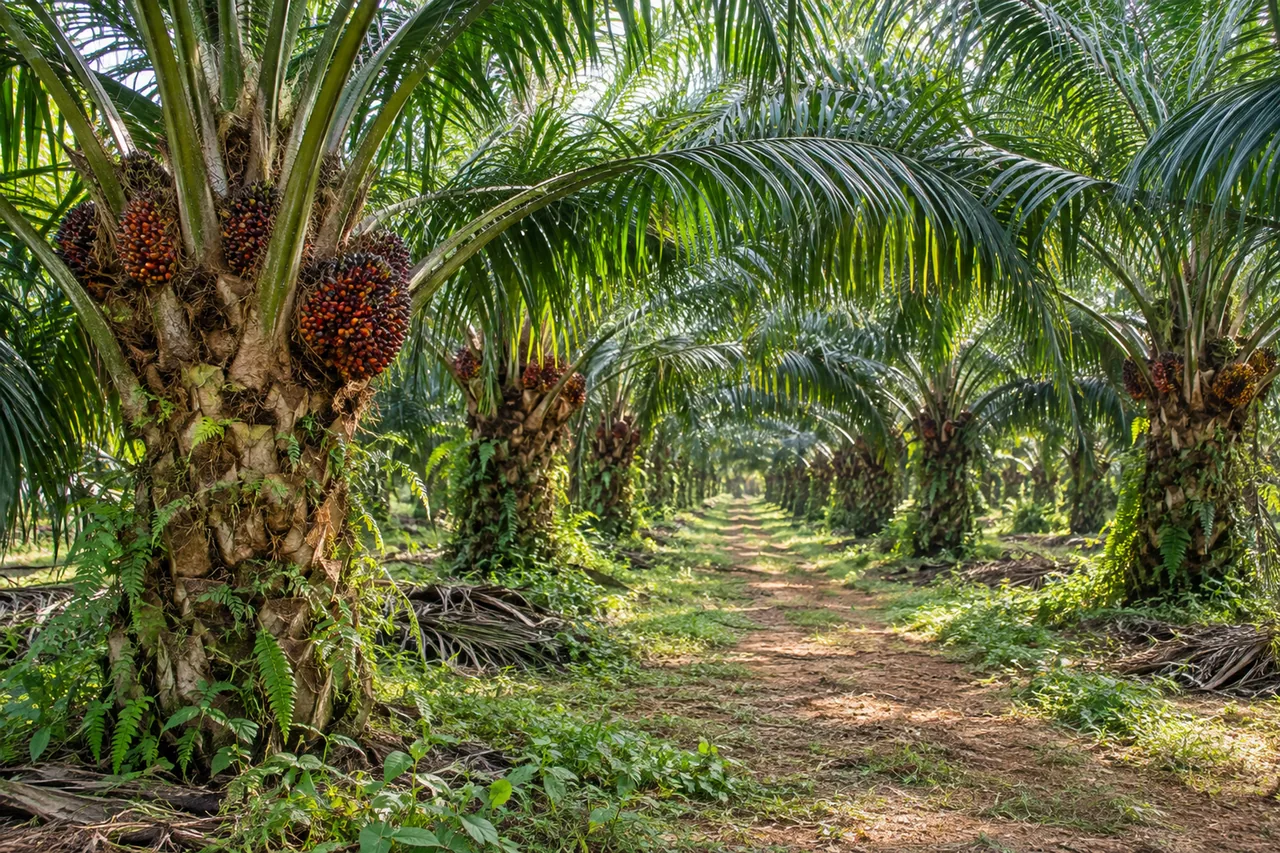 PalmFresh fruit bunches from the plot to the mill.
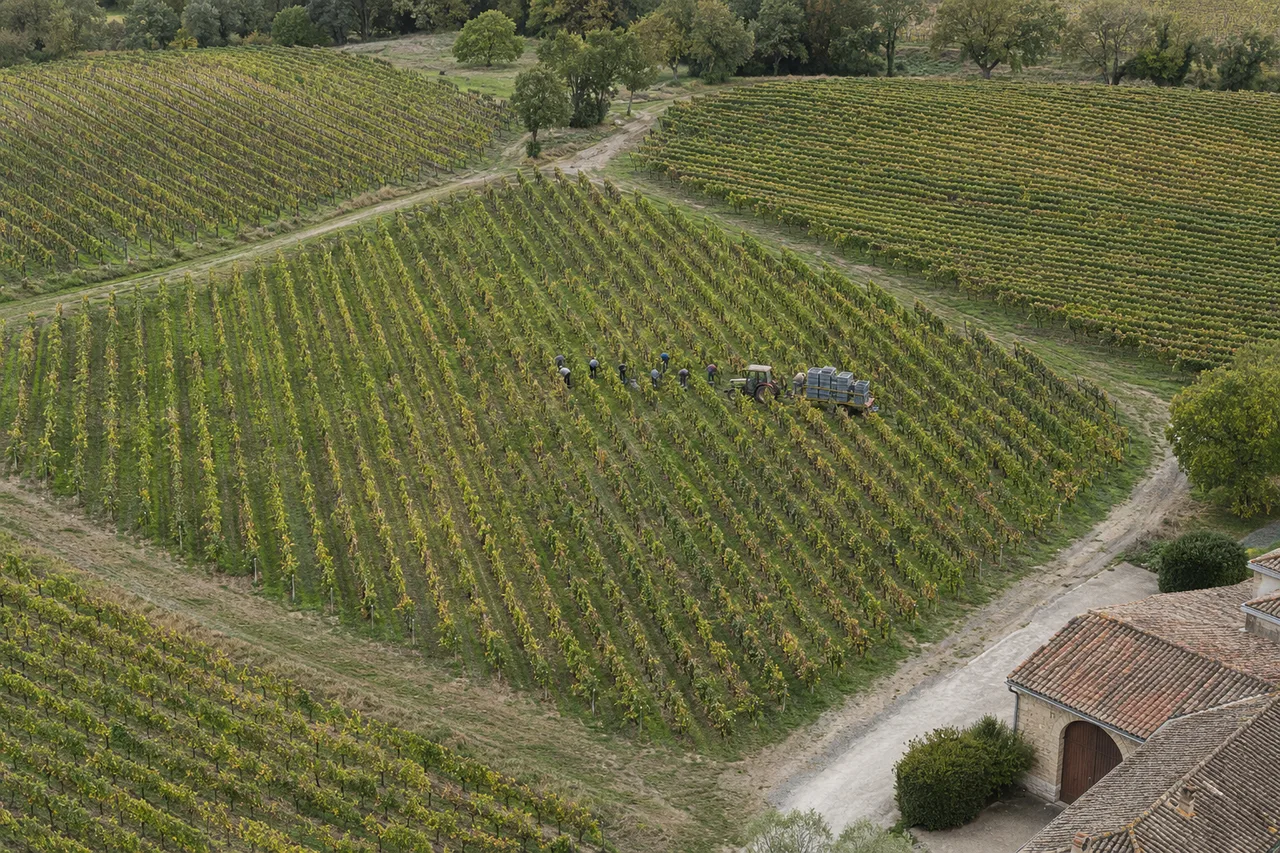 Grapes and wineGrapes by vineyard block, through crushing, fermentation and aging to the bottle.
Talk to us about Sugarcane
Tell us how cane reaches your mill and what it makes. We will set it up with your products and units.
Talk to us