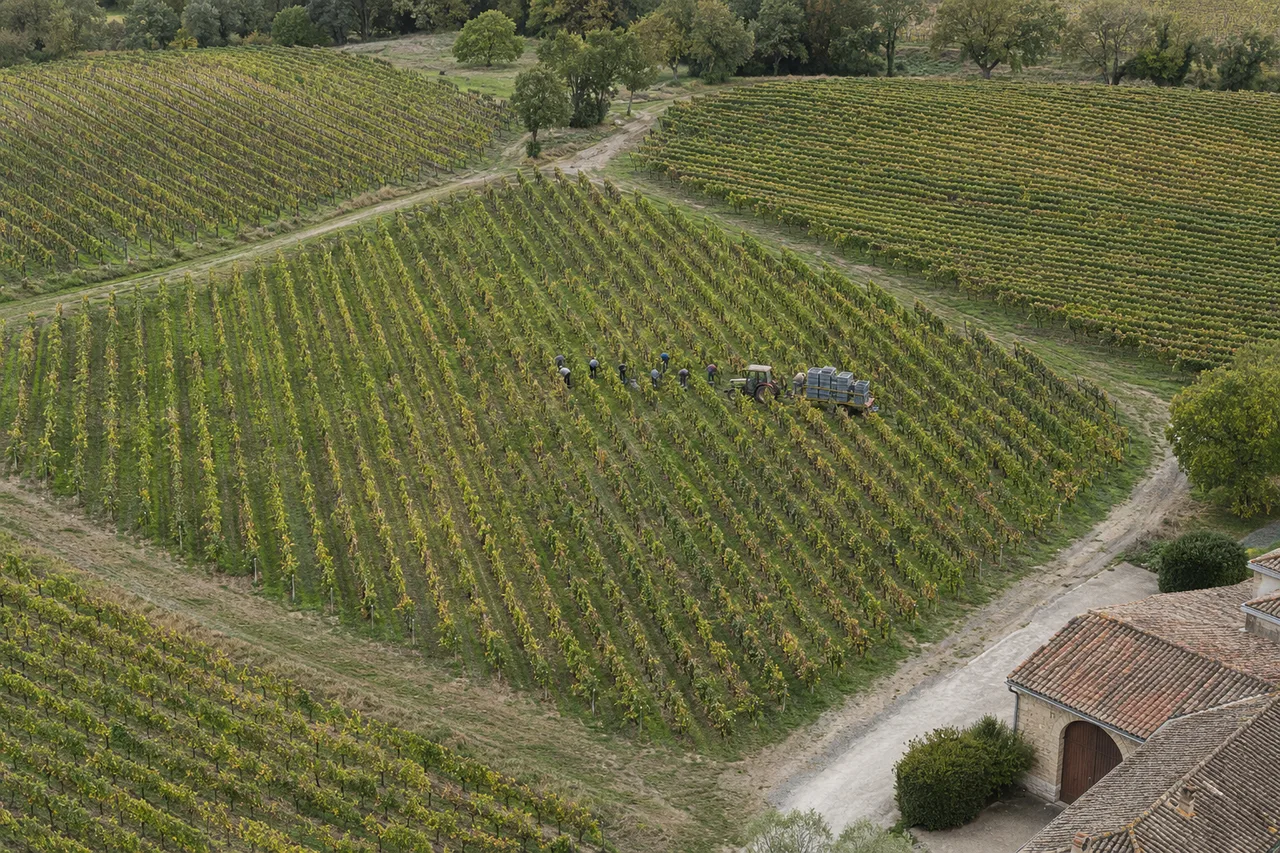
Grapes and wine, from the vineyard block to the bottle.
Record grapes by block and picking day, keep pressing, fermentation, aging and blending linked to every input, and hand on each bottled lot with its certificates.
In figures
- 2,543UN/CEFACT units of measureCounted in the reference data the platform ships with.
- 0.49 sTo find every lot a recall reachesMedian of 62 signed recall-scope reports, queue time not counted.
- 106,328Product codes in 7 classificationsCounted in the reference data the platform ships with.
Counted in the platform’s code or measured on the A-REX test environment, November 2026. Not customer results.
The challenge
A wine is a blend of many lots, made over months or years.
Blocks and picking days
Grapes are picked by block, variety and day, and the wine must still say where they grew.
Kilograms become litres
Grapes are weighed, must and wine are measured in litres, and bottles are counted; the records must hold each.
Labels and lot codes
Each bottling run has its lot code, and importers ask what is in the bottle and where it came from.
Products used
How A-REX runs grapes and wine, step by step.
01
Field work and weather
Record pruning, applications and irrigation on each block, with the rain and temperature at the block that day and the next. Rain right after an application reads Wash-off risk.
- Weather at the block, that day and the next
- Wash-off risk shown after an application
Fictitious demo data 02
Register harvests
Register grapes by block and picking day in kilograms, recorded exactly, each lot with the origin reference of its vineyard.
- Kilograms by block and day, recorded exactly
- Each lot with its vineyard
Fictitious demo data 03
Processing
Pressing, fermentation, aging, blending and bottling make new lots that keep every input, in kilograms, litres or bottles as each product is measured.
- Every blend keeps its inputs
- Kilograms, litres and bottles on record
Fictitious demo data 04
Lineage
Open a bottled lot to see every tank and barrel lot, the must and the blocks behind it, and everything made from a lot of grapes.
- From the bottle back to the blocks
- Forward to every holder
Fictitious demo data 05
GS1 Digital Link
A GS1 Digital Link from the GTIN and the lot code goes on the label as a QR code. Once you publish the GTIN, a scan opens the lot passport, and an importer's system finds the lot's events at the same address.
- A QR code next to the barcode you print
- Nothing answers until you publish
Fictitious demo data 06
Tracked deliveries
Ship wine to an importer or a distributor once your lot rules have checked the receiver and the certificates. A tracked delivery keeps a custody record signed step by step, and temperature against the agreed range.
- Receivers and certificates checked first
- Temperature against the agreed range
Fictitious demo data



The journey, stage by stage
Every step is a proposal a person approves.
Start from the grapes and wine chain
Grapes and wine with their HS codes, in kilograms and litres, Organic among the schemes, and what partners usually share: certificates and lab results.
Record the work on each block
Pruning, applications and irrigation as field work you define, with the rain and temperature at the block that day and the next.
Register grapes by block and day
Each picking is a lot in kilograms with the origin reference of its vineyard.
Crush and press, keeping the inputs
Pressing makes must lots in litres that name the grapes they came from.
Ferment, age and blend
Fermentation, aging and blending are stages and processes you name in your own words; each new lot names every tank or barrel lot that went into it.
Bottle with a lot code
Bottling makes a lot of bottles that keeps its inputs, and a GS1 Digital Link on the label opens the lot's passport once you publish the GTIN.
The evidence it produces
What a buyer, an auditor or a verifier you allow can read, with who declared each part.
- Lineage
- Each lot back to its inputs and their plots or farms, and forward to every holder.
- Certificates and lab results
- Each with its issuer, its validity and its evidence level.
- Lot facts
- What your company declares about a lot, such as a treatment, the feed or a sample, each with who declared it.
- Commodity codes
- Each product with the code of your country, from HS and NCM to CN and HTS.
- Recall scope
- Every lot, holder and quantity a recall reaches.
- EPCIS and UNTP
- Lot events as EPCIS 2.0, and the UNTP product passport of a lot.
An evidence check lists what the records hold. It is not a legal opinion and never says that a lot complies.
Regulation crosswalk
What each rule asks of you, and where the platform keeps it. Evidence, not a legal opinion.
| Rule | What it asks of you | Where the platform keeps it |
|---|---|---|
| Certification schemes | Organic and other schemes, as certificates a lot must carry. | Each certificate with its issuer and evidence level; a lot rule can stop a lot that lacks one. |
| National rules | Country profiles for what each jurisdiction asks for. | Product codes, units and records in the scheme of each country, from HS and NCM to CN and HTS. |
More from Agriculture
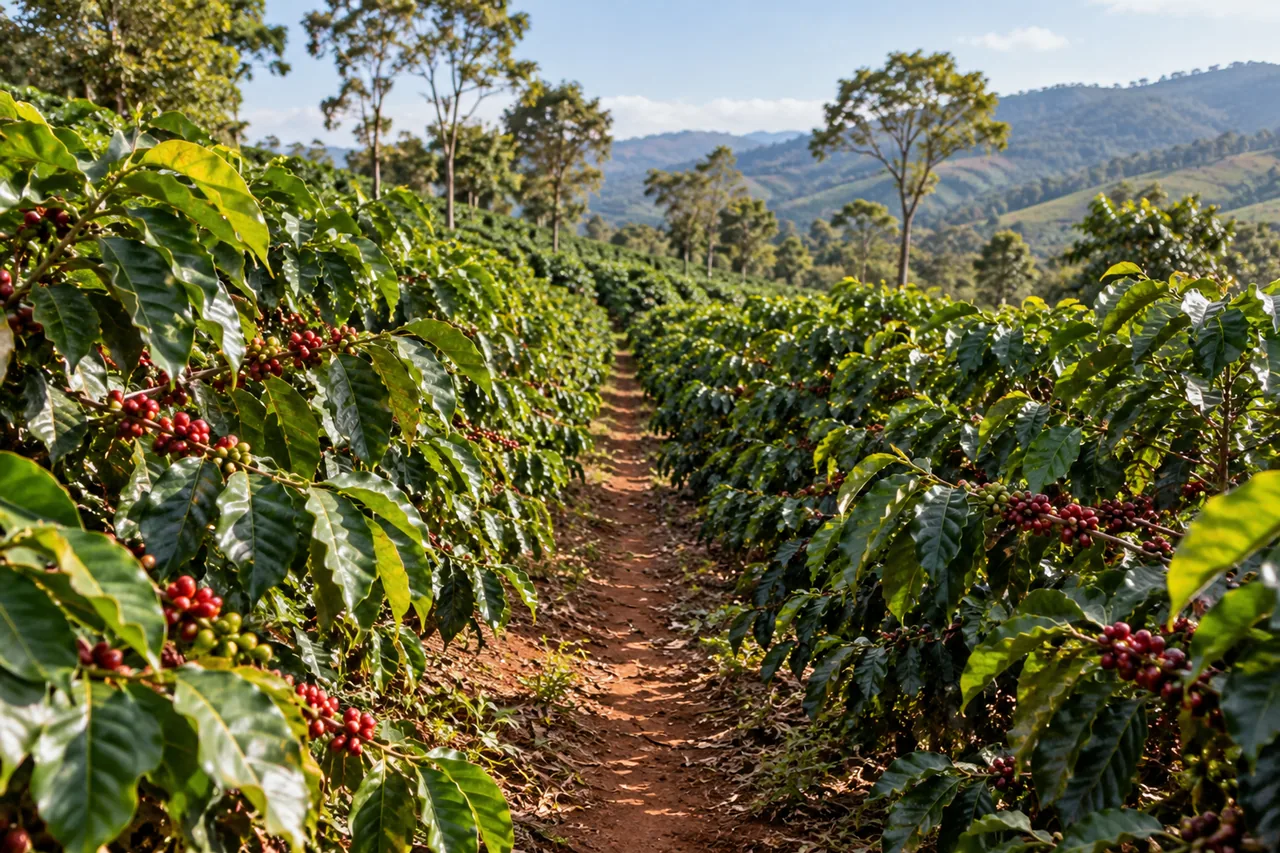 CoffeeFrom parchment at the farm to green coffee in the bag and roasted lots.
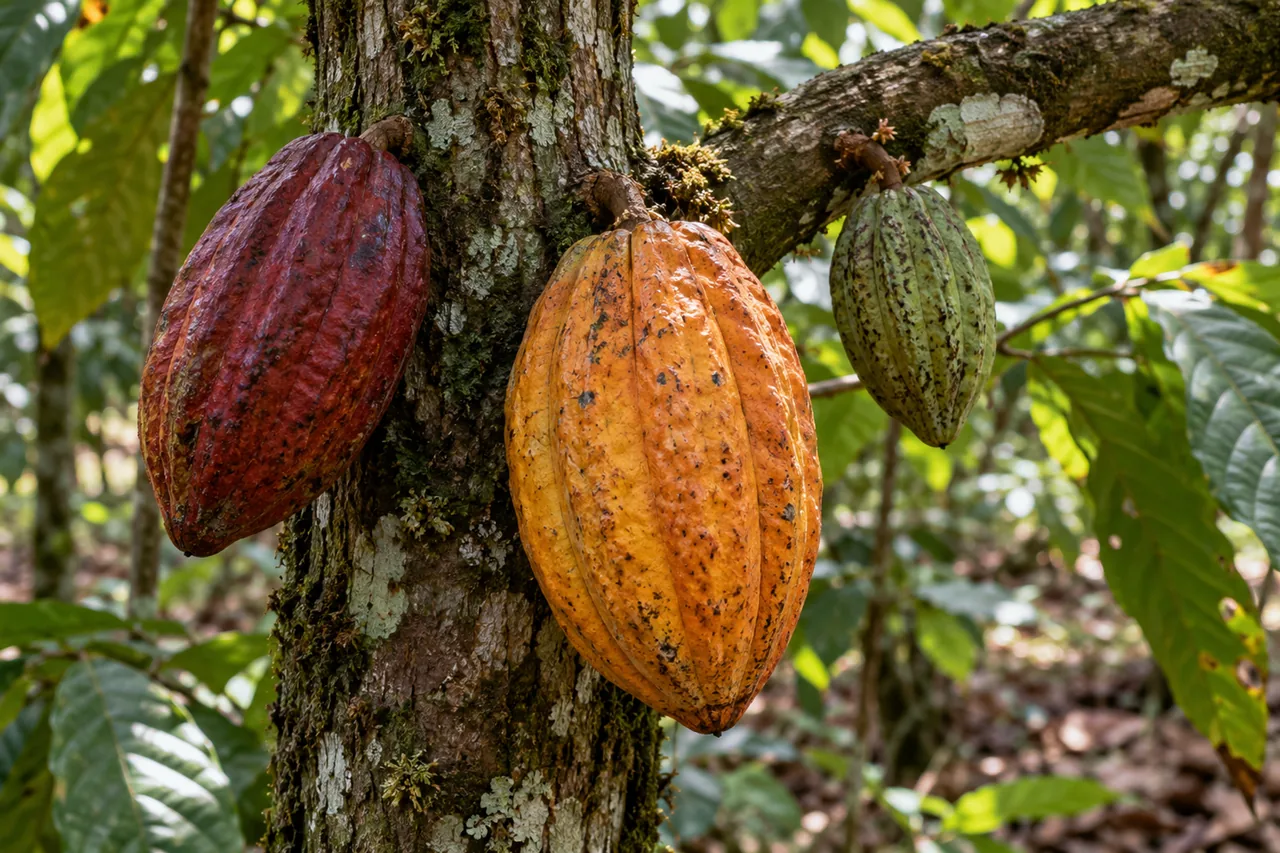 CocoaWet and dry beans by plot, cooperative and exporter.
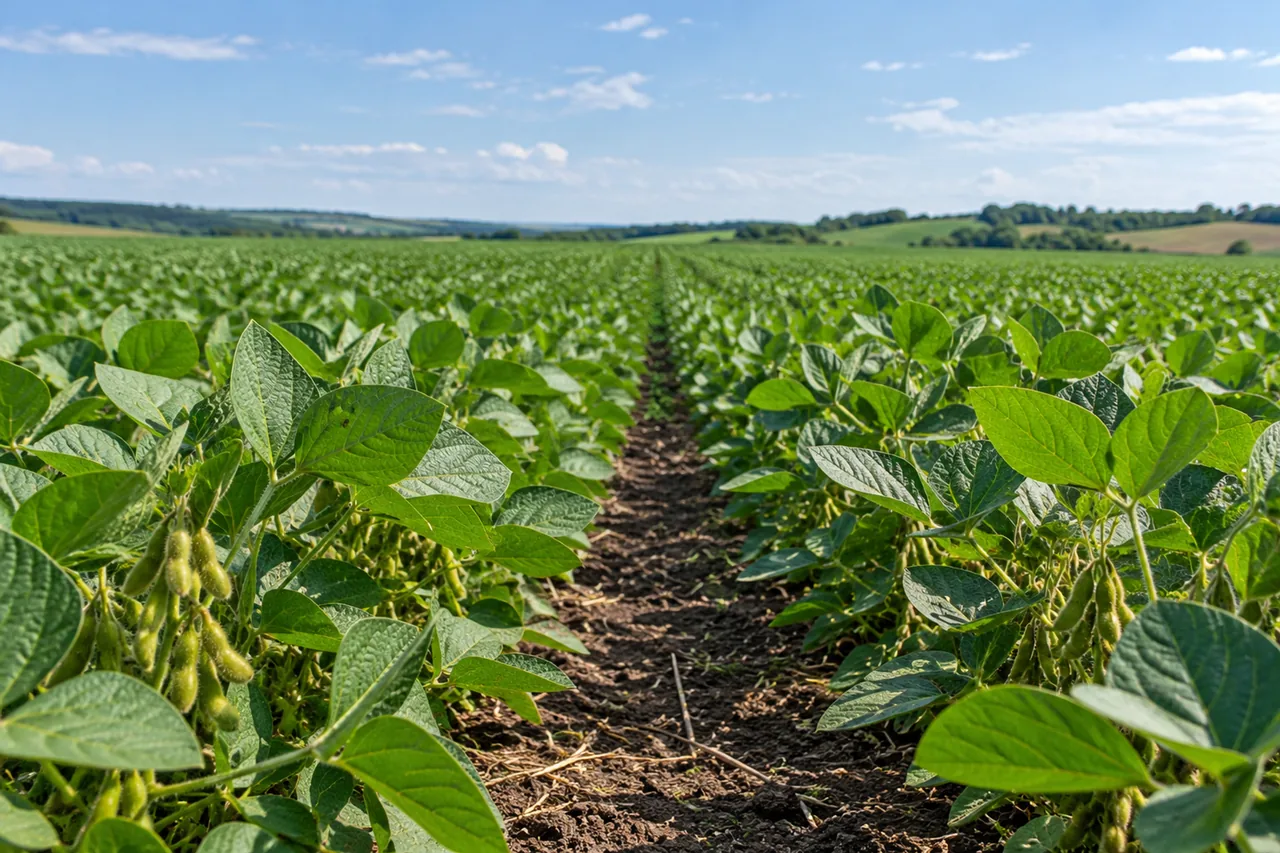 SoyBulk lots by silo and season, with the plots behind them.
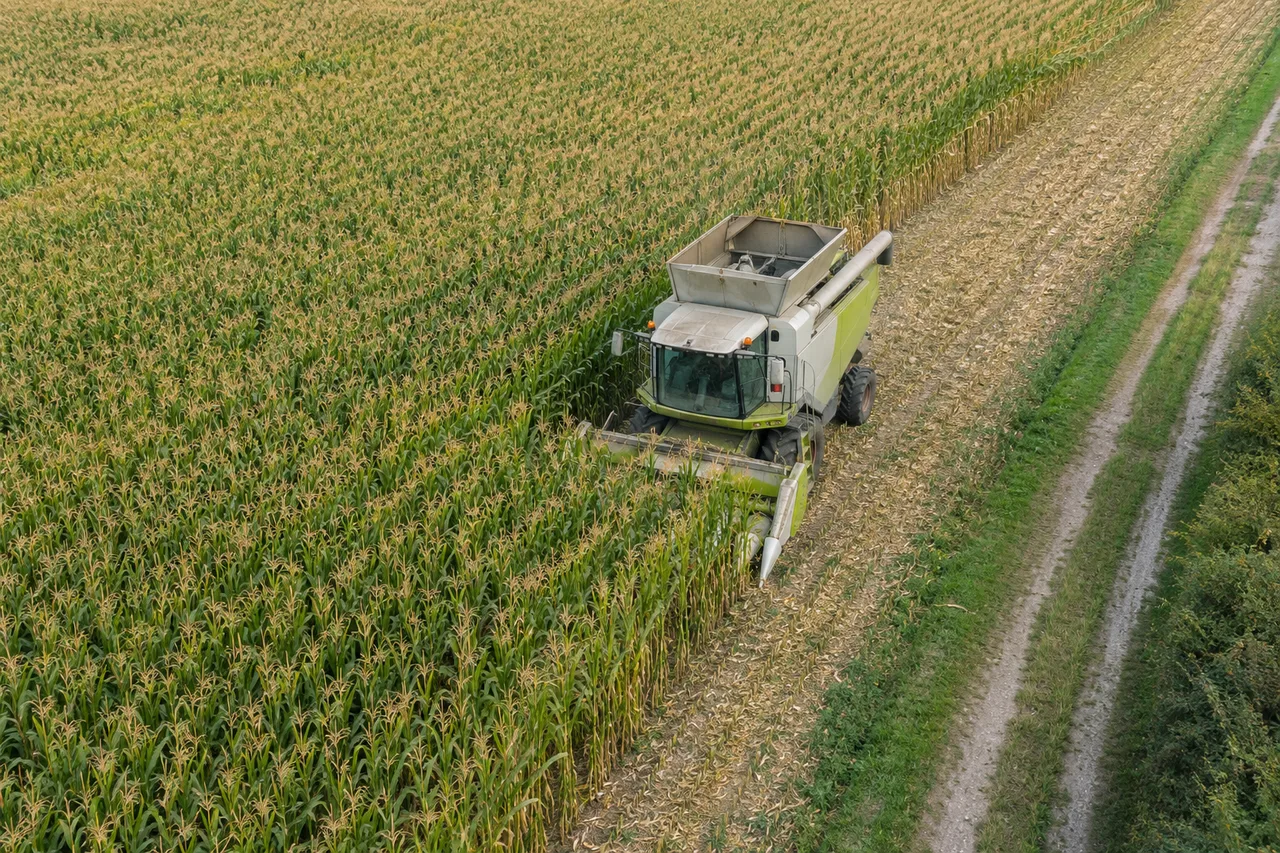 Grains and maizeWheat, maize and barley through silos, blends and mills.
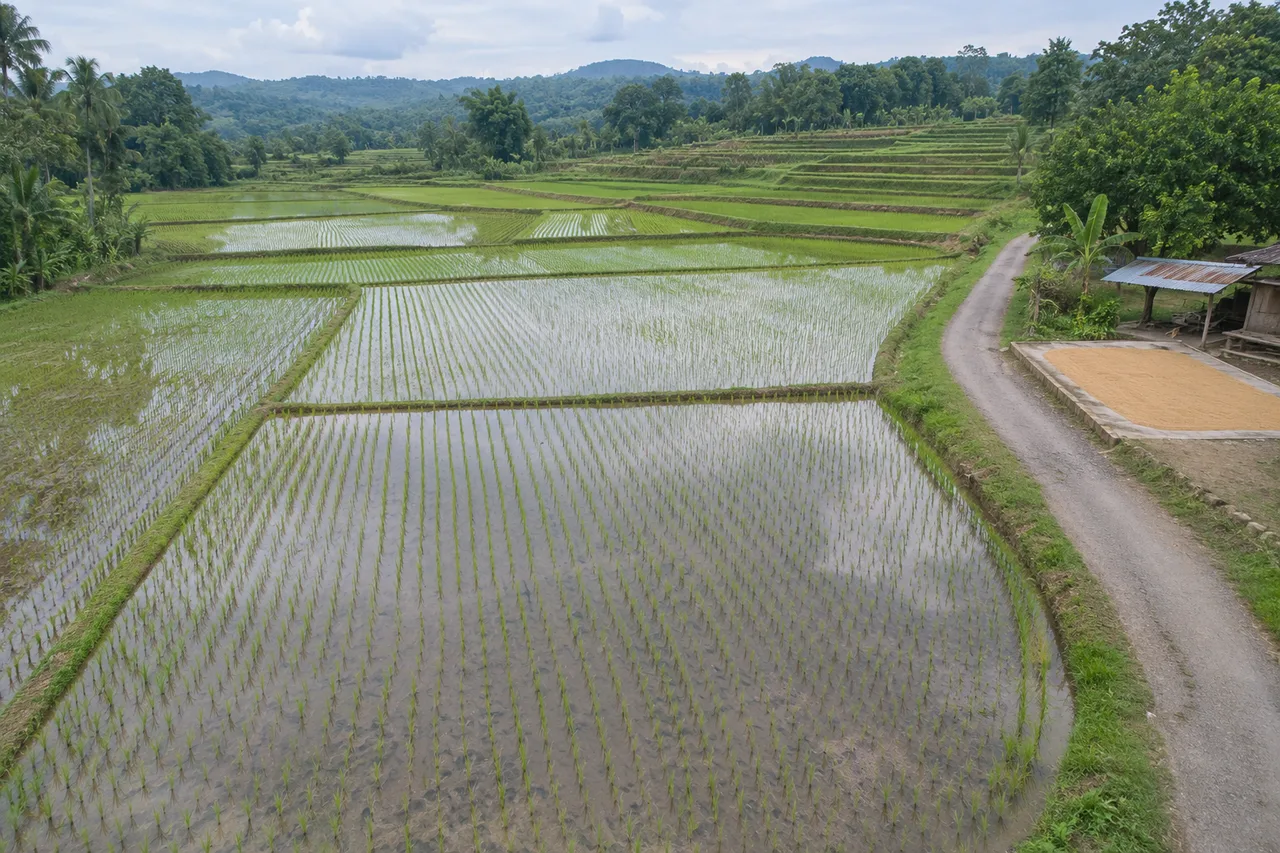 RicePaddy by plot, dried and milled, with the yield of every milling run.
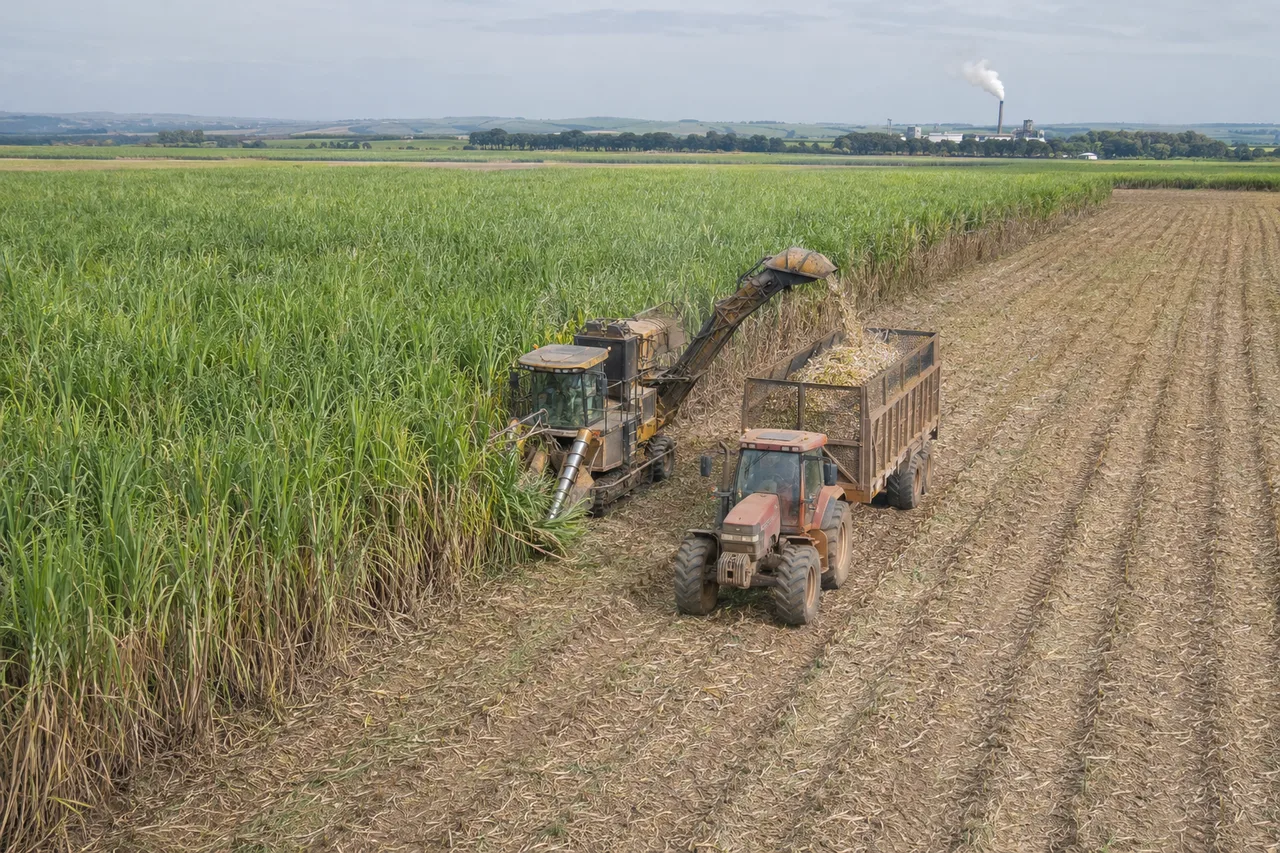 SugarcaneCane by plot and load, crushed at the mill into sugar, ethanol and molasses.
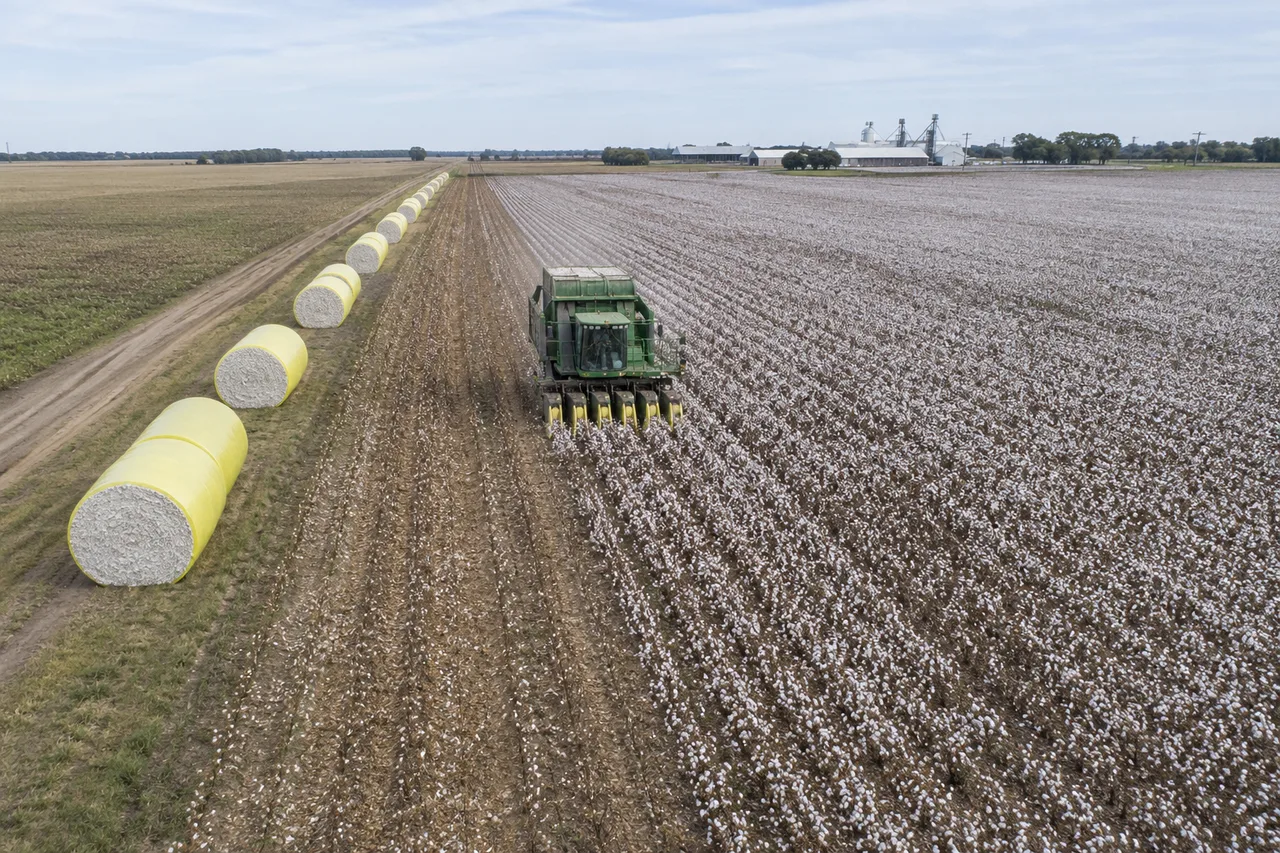 CottonSeed cotton by farm, ginned into lint bales, cottonseed and linters.
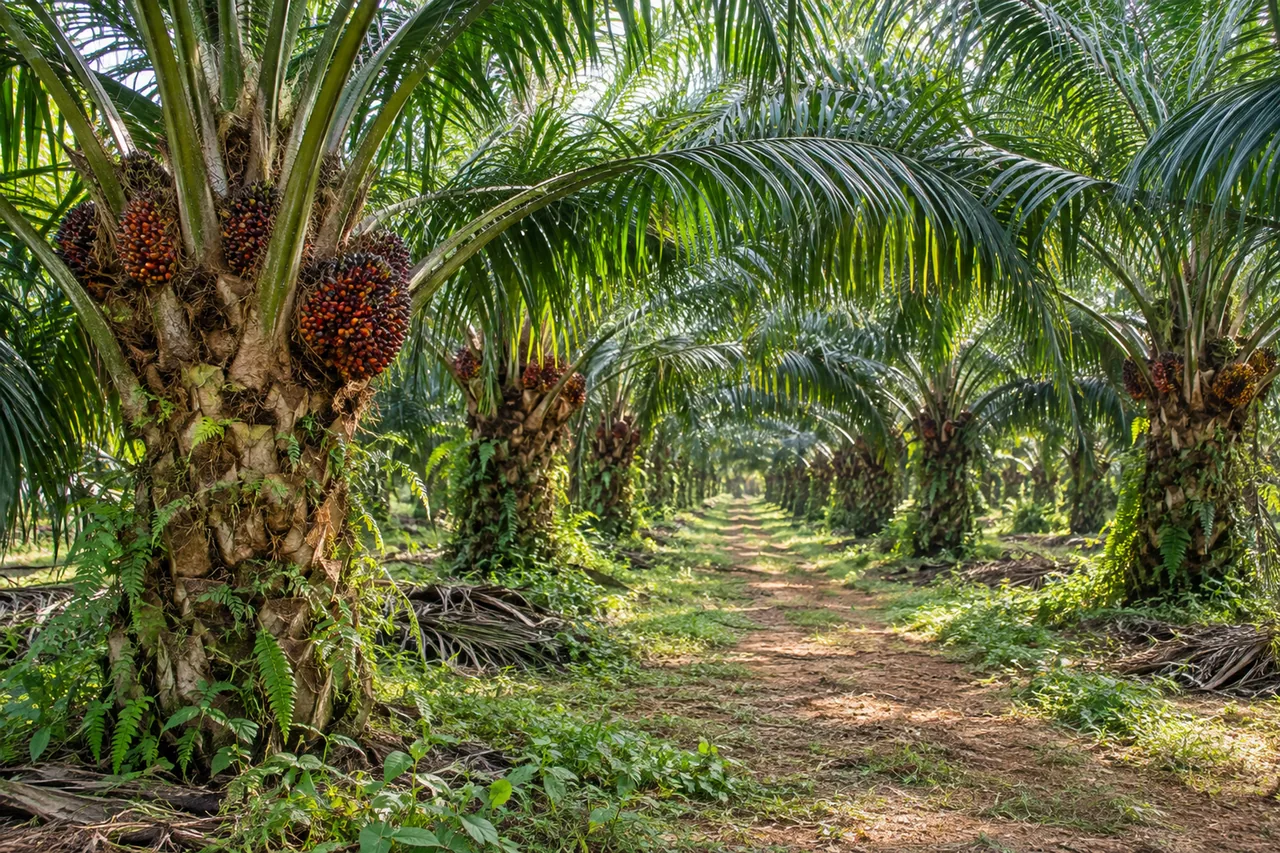 PalmFresh fruit bunches from the plot to the mill.
Talk to us about Grapes and wine
Tell us about your vineyards, cellar and bottling. We will set it up with your products and units.
Talk to us